




Bitcoin Faces Selling Pressure Amid Geopolitical Tensions
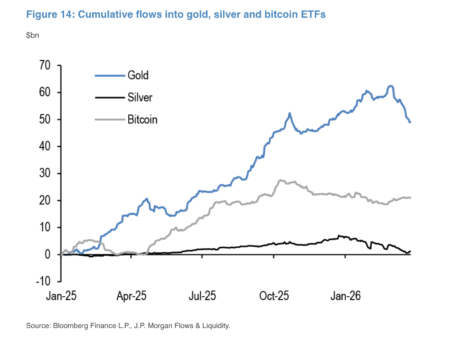
Bitcoin (BTC) is experiencing notable selling pressure as it navigates a narrow trading range, dropping below $67,000 recently, according to data from The Block. This development comes after a significant $171 million outflow from U.S. spot bitcoin ETFs on March 26, coupled with ongoing withdrawals from ether funds. These movements underscore an ongoing trend of inconsistent institutional demand that continues to impact market dynamics. Ethereum (ETH), too, has not been spared, falling below the $2,000 threshold to trade around $1,993.
The recent fluctuations in BTC price come amid the expiry of a substantial quarterly options contract that amounted to approximately $13 billion, with a majority of contracts being bullish calls. Despite the weakening of spot prices, the skew towards calls indicates that there is still an expectation of upside. This paradox between market positioning and actual price action encapsulates the uncertainty pervading the sector, leaving many investors cautious.
Influence of Geopolitical Factors on Market Movements
As analysts observe the current trading environment, they emphasize that upcoming events may be dictated more by macroeconomic conditions than by unique cryptocurrency developments. A pivotal 10-day geopolitical window is opening as potential U.S. military escalations face a temporary pause. Rania Gule, a Senior Market Analyst at XS.com, notes that this period acts as a countdown for market movements, with outcomes hinging on whether geopolitical tensions subside or escalate.
This backdrop is influencing the U.S. dollar, which is gaining traction. The Dollar Index is nearing the significant 100 mark, buoyed by safe-haven demand and rising yields against the backdrop of persistent inflation concerns, especially in energy markets. Analysts from Bitunix argue that liquidity is compressing under the strain of conflicting factors such as energy control, monetary tightening, and rising geopolitical tensions. This indicates that the market is experiencing more capital redistribution rather than a definitive directional trend.
Macro Trends and Institutional Sentiment
Reflecting broader market sentiments, Bitcoin’s recent price actions showcase a shift from aggressive breakout attempts to a more defensive stance. This adjustment aligns closely with the ongoing de-risking trends influenced by heightened oil prices, yields, and geopolitical anxieties. QCP Capital points out that Bitcoin is acting more as a liquidity-sensitive asset than as a traditional safe haven, suggesting that while price stabilization is evident, overall investor conviction remains muted.
Despite a slight uptick in spot ETF demand in March compared to February, the overall interest has been inconsistent year-to-date, which leaves the market vulnerable to macroeconomic fluctuations. Without sustained inflows, Bitcoin and other cryptocurrencies may struggle to regain upward momentum, exemplifying the influence of external factors on the asset class.
Geopolitical Risks Shaping Market Outlook
Multiple analysts continue to underscore the impact of geopolitical uncertainties as a primary variable affecting market behavior. Conflicting narratives surrounding U.S.-Iran negotiations and military positioning in the Middle East have sparked volatility, particularly as the weekend approaches—a time when markets often price in escalation risks more heavily. The current climate suggests a cautious wait-and-see stance among investors, as they assess the potential for conflict resolution.
Should tensions diminish and the U.S. dollar soften, there exists a possibility for renewed liquidity that could facilitate a rebound in risk assets like Bitcoin. However, if the dollar maintains its strength alongside rising oil prices and yields, these factors may constrain BTC’s upward mobility, perpetuating a downward drift.
Future Implications for Bitcoin and the Crypto Market
The current market situation reveals a complex interplay between cryptocurrencies and larger economic indicators, indicating that Bitcoin’s path will likely be determined by external, geopolitical developments more than internal crypto-specific catalysts. Through the lens of institutional participation and the geopolitical backdrop, the next phase for BTC is precarious.
As traders keep a close eye on liquidity trends and macroeconomic signals, the fear of further volatility remains palpable, posing risks for both new and seasoned investors. The landscape requires a careful balance of optimism and caution as potential outcomes are set to affect broader market stability.
Conclusion: Navigating the Uncertain Terrain Ahead
In summary, the cryptocurrency market is at a crossroads, where Bitcoin faces sell pressure and volatile trading influenced heavily by geopolitical dynamics. As the crypto space contends with significant macroeconomic challenges, including the fluctuating U.S. dollar and institutional demand patterns, it remains essential for investors to stay informed about the broader context.
Future market actions will not only hinge on Bitcoin’s resilience but also on how global tensions evolve and impact sentiment towards risk assets. Monitoring these developments will be crucial for gauging Bitcoin’s potential recovery trajectory and the overall health of the cryptocurrency market as it navigates this uncertain terrain.