



Block Inc.: A Strategic Shift Towards AI in Digital Payments
Block Inc., the innovative digital payments company renowned for its platforms Square and Cash App, is making significant headlines with its promising fourth-quarter earnings and a strategic pivot towards artificial intelligence (AI) tools. With CEO Jack Dorsey at the helm, the company aims to reshape its operations to become more efficient and tech-driven, emphasizing a drastic reduction in workforce alongside ambitious financial targets.
Strong Financial Performance
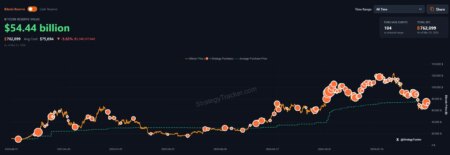
Block’s recent financial report showcased impressive metrics, revealing an operating income of $485 million and adjusted operating income growing to $588 million. The company reported net income attributable to common stockholders at $116 million, with adjusted EBITDA hitting $930 million. Furthermore, Block announced an increase in its gross profit guidance, projecting $12.2 billion for 2026—a robust 18% year-over-year growth. Amidst these strong financials, Block is also expanding its cryptocurrency portfolio, acquiring an additional 103 bitcoin, bringing its total holdings to 8,883 BTC, valued at approximately $577 million.
Workforce Reduction and Strategic Reorientation
One of the most significant developments in Block’s recent strategy is the announcement of a 40% reduction in its workforce, with plans to transition from a staff of over 10,000 to just under 6,000 employees. This decision reflects the company’s commitment to an AI-first model aimed at increasing efficiency and return on invested capital (ROIC). Dorsey admitted that previous over-hiring during the COVID-19 pandemic led to structural inefficiencies, prompting the shift to a more streamlined operational model that focuses on a single company structure instead of two separate ones for Square and Cash App.
Enhanced Focus on Cash App and Square
Breaking down the performance of its key platforms, Cash App’s financial services gross profit reached an impressive $865 million, outperforming analysts’ expectations. With a rising demand for short-term consumer liquidity products, Cash App is well-positioned to fill gaps within traditional banking systems. On the other hand, Square is anticipated to benefit significantly from the integration of AI into its services. Analysts believe that Square’s ability to automate customer functionality will enable merchants to create tailored AI solutions, setting it ahead of competitors in the fintech space.
Positive Market Response
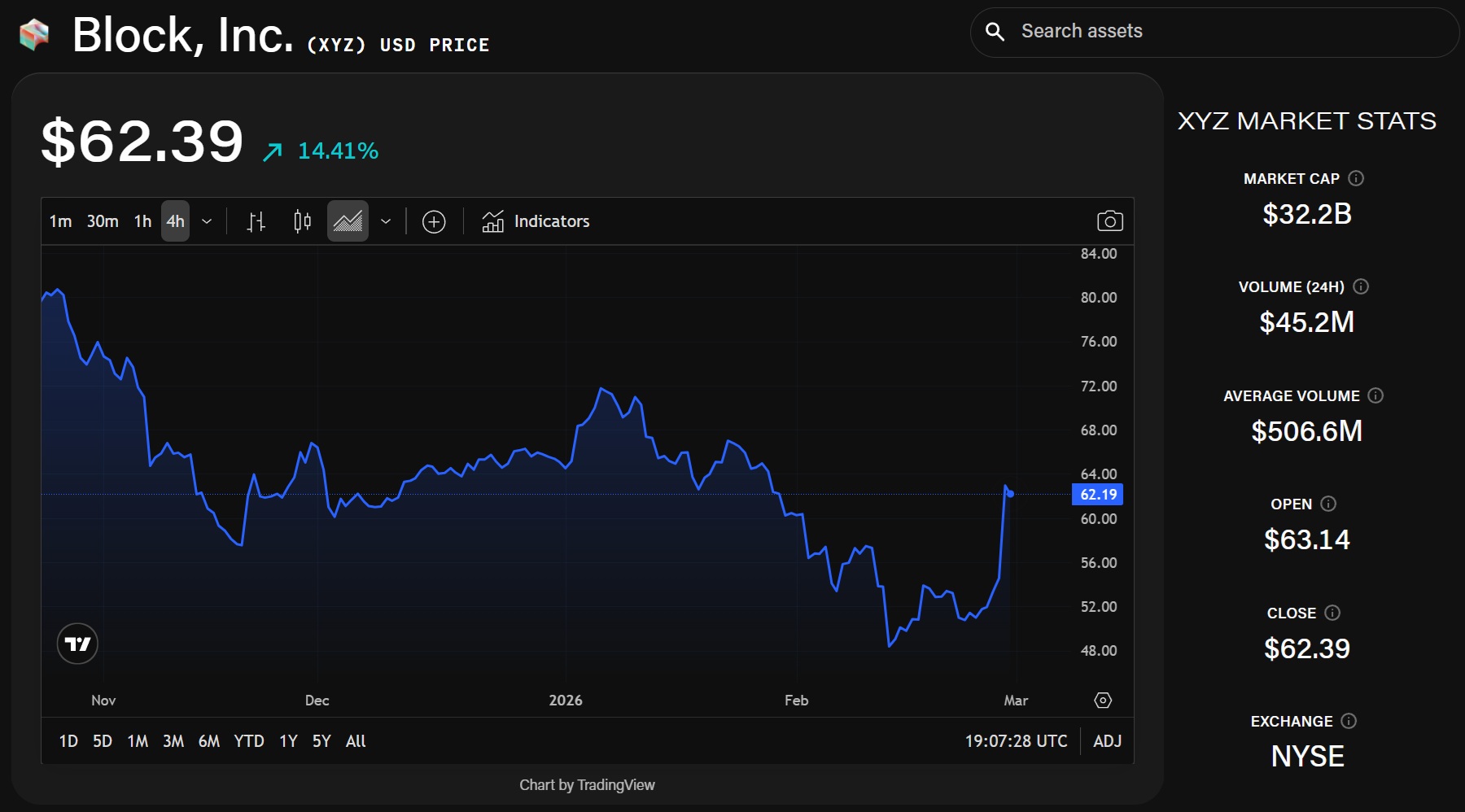
The market has reacted favorably to Block’s announcements, with the company’s stock soaring more than 22% in after-hours trading following the earnings report. Shares traded around $62.34, reflecting a notable 14% gain. Despite being down over 70% from its pandemic peak, the current momentum suggests renewed investor confidence, with analysts reiterating an “outperform” rating and a price target of $67 for Block shares.
Competitive Landscape and Growth Opportunities
Even in the competitive U.S. market, Square demonstrated impressive growth, with year-to-date gross payment volume (GPV) rising by 7.5%. Notably, new product offerings, particularly those targeting restaurants, contributed to the strongest volume growth in nearly five years. Management highlighted a 12% increase in payment volume year-to-date, marking an acceleration in growth relative to previous periods. This upward trajectory indicates significant opportunities for Block to leverage its technology and expand its market share in the digital payments sector.
Conclusion
Block Inc. is undergoing a transformative phase aimed at harnessing the power of AI to enhance its digital payment platforms, Cash App and Square. Coupled with impressive financial results and a strategic reorganization of its workforce, the company is positioning itself for future growth. As it navigates the evolving landscape of fintech, Block’s commitment to innovation and efficiency may well redefine its role in the digital payments industry. With continued investor support and a clear vision for the future, Block Inc. is setting a formidable pace for growth amid the challenges of a competitive market.