




Bitcoin vs. Gold: Diverging Paths Amid Economic Uncertainty
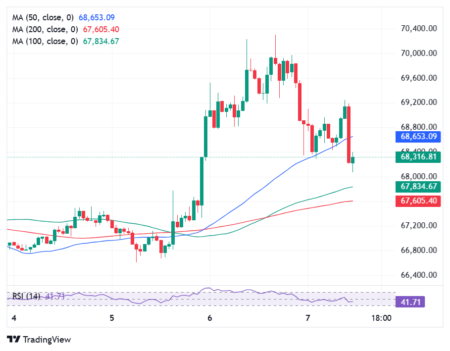
In recent market trends, Bitcoin (BTC) has seen a significant decline, dipping below the vital $90,000 support zone to around $89,588. This slump follows a brief bullish breakout attempt from the previous week. Contrastingly, gold has surged to an all-time high of over $4,900 per ounce. This disparity highlights the contrasting trajectories of these two assets often viewed as stores of value.
Bitcoin’s Struggles in a Gold Rally
The divergence between Bitcoin and gold can be attributed to the latter’s long-standing position as a reliable asset during economic uncertainties. Analyst Lancaster.ETH discussed the stark differences in price action between these two assets. While both are considered part of the “gold narrative,” he points out that gold’s established history aids its solidification as a safe haven, exemplified by its record-breaking prices. In contrast, the relatively nascent Bitcoin is still gaining recognition and understanding among investors, with many still unfamiliar with its potential.
Trust Issues in Cryptocurrencies
Lancaster emphasizes that the current macroeconomic climate fosters a tendency for investors to favor what they know. Gold’s reputation offers comfort, which Bitcoin, being less established, cannot yet provide. As a result, fear may lead investors to dump BTC in favor of the tried-and-true gold, which is perceived as having better defensive capabilities in turbulent financial times. These concerns suggest that Bitcoin is still undergoing a trust-building phase that requires time and market confidence to mature.
Impact of External Factors: Tariffs and Economic Policies
A recent report highlights how gold and silver have rallied amid threats of Trump tariffs on imports from several European nations. While gold thrives under these circumstances, Bitcoin has seen its yearly gains significantly eroded, further affirming the notion that its perceived utility in times of crisis is lacking. Merlijn The Trader expressed that traditional capital flows still dominate the current market, indicating that gold and silver are currently outperforming Bitcoin in the face of macroeconomic stressors.
The Future of Bitcoin: Bond Markets and Tariff Impacts
Looking ahead, analysts speculate that Bitcoin’s fortunes may ultimately hinge on developments in the bond market and economic policies. Merlijn noted that once current macroeconomic shocks stabilize, we could witness a shift in capital flows. Bond stress may facilitate liquidity relief and currency debasement, essential elements that could drive the next cryptocurrency boom. However, Jacob King cautions that capital is currently moving away from speculative assets like Bitcoin and shifting towards more stable metals.
Geopolitical Factors and Economic Pressures
The strength of gold in the current market is largely attributed to broader geopolitical tensions and a weakened dollar. Peter Grant, a senior strategist at Zaner Metals, underscores how Federal Reserve expectations for easing policies significantly impact investor sentiment. Inflation data plays a crucial role here. With recent reports indicating a steady year-over-year PCE inflation rate of 2.8%, markets remain focused on future Federal Reserve actions and their implications for various asset classes.
Conclusion: Navigating a Shifting Landscape
In summary, Bitcoin is facing headwinds amid a flourishing gold market. Its inability to rally alongside gold conditions, driven by investor sentiment and external economic factors, signals a challenging road ahead. Bitcoin’s ongoing trust-building phase, combined with prevailing macroeconomic uncertainties, continues to shape its trajectory. As the economic landscape evolves, investors will closely monitor how these dynamics play out in the future of both Bitcoin and traditional assets like gold.