

The Future of Bitcoin: Signs of a Bull Market Amidst Current Challenges
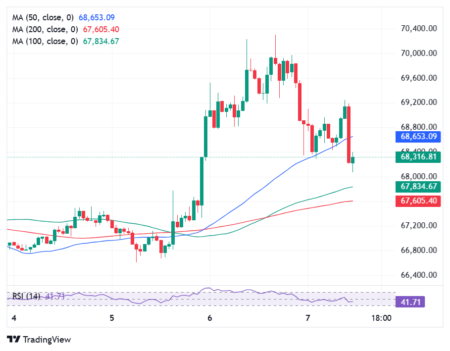
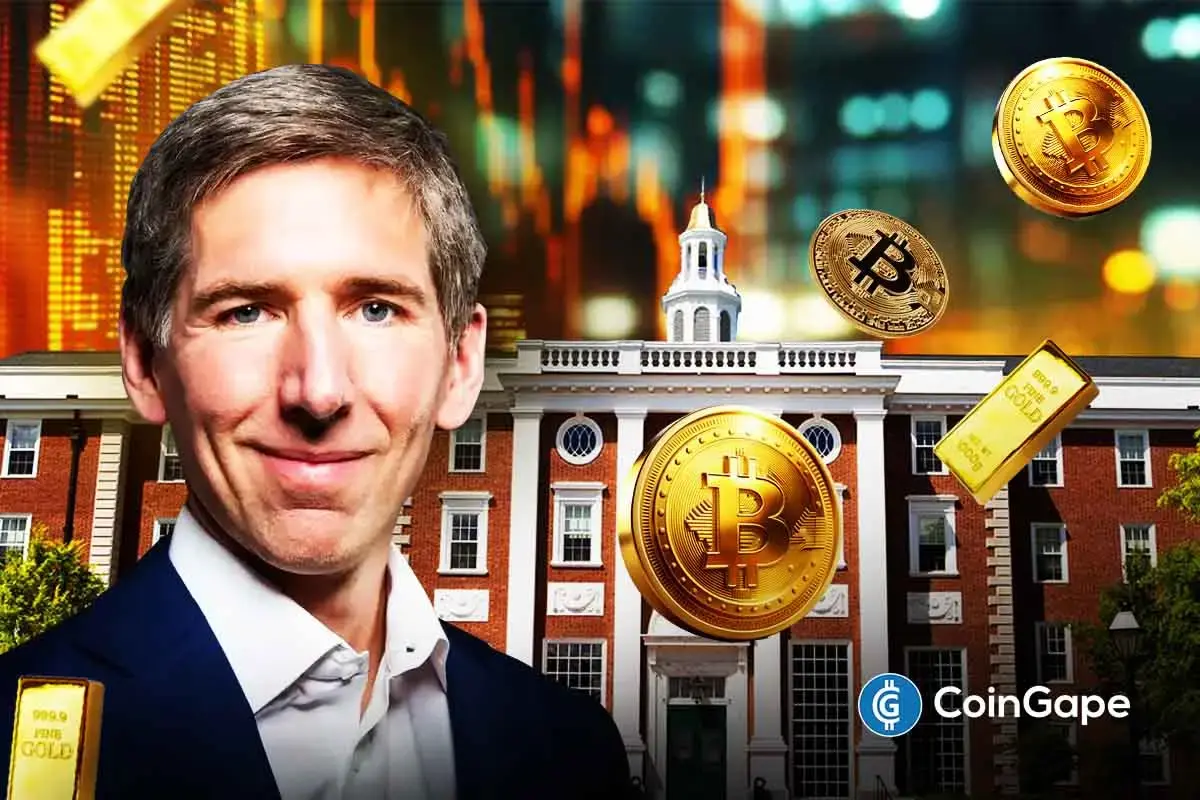
Bitcoin’s recent dip to approximately $65,500 has left many traders and investors on edge. Amid the prevailing uncertainty, Matt Hougan, Chief Investment Officer at Bitwise, has shared his insights into emerging trends that could likely ignite a Bitcoin bull market. He highlights four pivotal developments that signify potential bullish momentum in the cryptocurrency space: agentic finance, institutional DeFi, advances in quantum security, and accelerated tokenization efforts.
The Rise of Agentic Finance
Hougan points to the burgeoning concept of agentic finance as a critical factor that could reshape Bitcoin’s landscape. Coinbase recently unveiled its "Agentic Wallets," designed for autonomous agents that perform on-chain activities without human intervention. These wallets enable users to maintain identity, manage funds, and engage in transactions effortlessly while adhering to programmable spending policies. The non-custodial nature of this wallet and its capability for gasless transactions can potentially lower entry barriers for new users, making Bitcoin more accessible and paving the way for a future bull market driven by automation and efficiency.
Institutional Interest in Decentralized Finance (DeFi)
Moreover, institutional interest in decentralized finance is another promising development. Hougan cites BlackRock’s ambitious move into DeFi with its plans to launch the BUIDL token on the Uniswap platform. As a recognized powerhouse in global finance, BlackRock’s participation could serve as a watershed moment for institutional adoption in the crypto space. By acquiring an undisclosed amount of UNI tokens, BlackRock is not just dipping its toes into DeFi; it’s making a strong statement about the viability and future potential of these technologies, which may enhance Bitcoin’s stability and price in the long run.
Addressing Quantum Security Threats
Another trend that Hougan highlights is the progress in quantum security that seeks to fortify Bitcoin against possible future threats posed by quantum computing. The recent integration of Bitcoin Improvement Proposal 360 into Bitcoin’s official BIPs repository marks a significant step in this direction. This proposal’s focus on enhancing Bitcoin’s security protocols is crucial as it caters to fears surrounding quantum risk—a major concern for the sustainability of cryptocurrencies as technology evolves. As Bitcoin continues to strengthen its defenses, investor confidence may improve, further bolstering its market position.
Accelerated Tokenization Initiatives
Additionally, tokenization is emerging as a key trend, with significant initiatives being developed by major financial institutions. In the past week alone, noteworthy announcements by CME, Broadridge, and UBS regarding tokenization projects indicate that the industry is focused on embracing this innovation. By digitizing assets, tokenization can enhance liquidity, reduce transaction costs, and open new avenues for investment. This transformation could play an essential role in driving Bitcoin’s utility and adoption among traditional financial players, ultimately laying the foundation for a potential market upswing.
Market Sentiment and Future Prospects
Despite the aforementioned developments, the market sentiment surrounding Bitcoin remains cautious. Santiment’s analysis reveals that derivatives positions have shifted significantly, with short positions reaching extreme levels not seen since August 2024. At that time, excessive short selling preceded a substantial Bitcoin price rebound of approximately 83% in the following months. This historical correlation suggests that the current negativity in funding rates may create conditions ripe for a similar recovery, as the market could witness a short squeeze that forces liquidations and drives prices up.
Real-World Impact: El Salvador’s Bitcoin Strategy
However, it’s essential to acknowledge the real-world implications of Bitcoin’s struggles. As reported by Bloomberg, El Salvador’s investment in Bitcoin has resulted in approximately $300 million in losses. Despite these setbacks, President Nayib Bukele remains committed to acquiring more Bitcoin, demonstrating a long-term vision. Yet, this strategy complicates the nation’s ongoing negotiations for a $1.4 billion IMF loan, emphasizing heightened credit risks and bond volatility. As the country faces major debt payments, concerns linger regarding the balance between crypto investments and economic stability. The fate of Bitcoin could thus be intricately linked to the actions of governments and institutions navigating this evolving landscape.
In summary, while Bitcoin currently faces downward pressure, the emergence of agentic finance, institutional DeFi, advancements in quantum security, and increased tokenization efforts suggest that a new bull market may be on the horizon. Coupled with potential market dynamics favoring a turnaround, there could still be a path for recovery, making this an intriguing moment for investors and enthusiasts alike.