



U.S. PPI Inflation Jumps, BTC Reacts: What It Means for Investors
Overview of Recent U.S. PPI Data
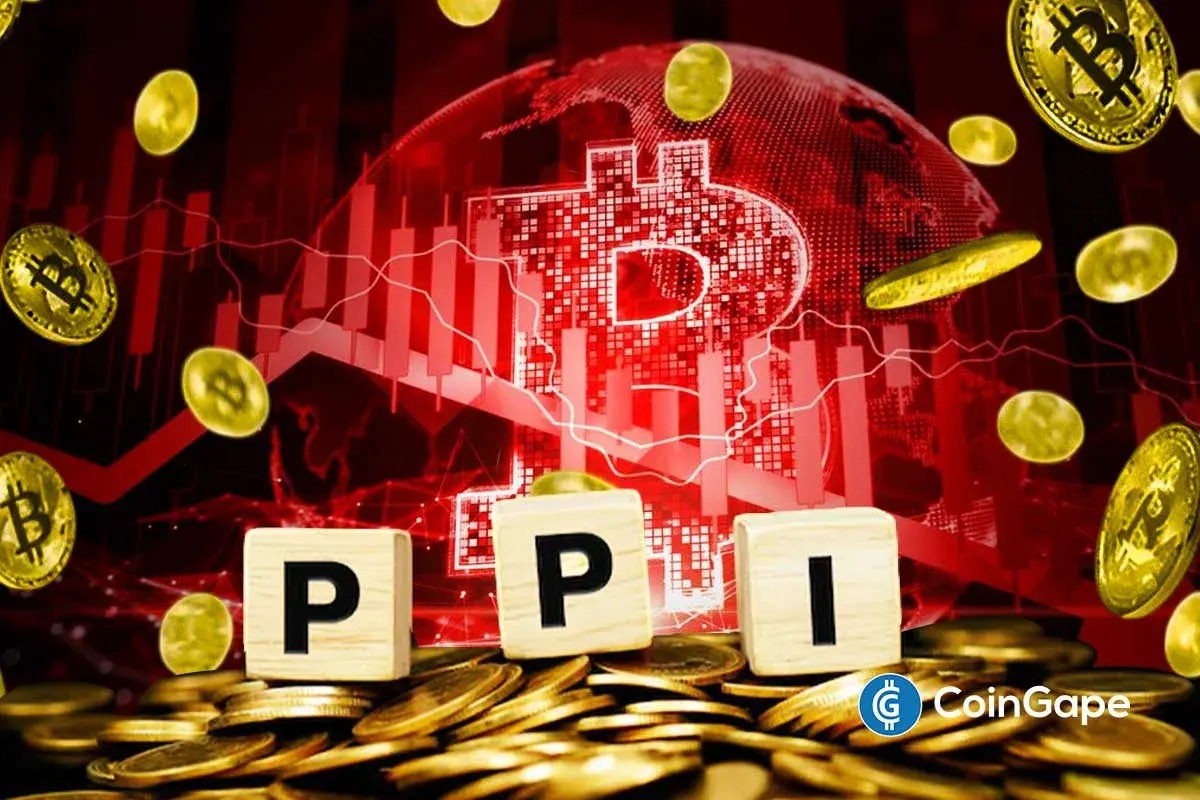
The latest Producer Price Index (PPI) report from the Bureau of Labor Statistics has raised concerns among investors and economists alike. Reporting a year-over-year increase of 2.9% in January, the PPI surpassed market expectations of 2.6% and exceeded a previous figure of 3% recorded in December 2025. Month-over-month, the PPI rose 0.5%, also higher than anticipated (0.3%). Such strong inflation statistics signify sustained inflationary pressure, which has immediate implications for monetary policy and asset prices.
Core PPI Inflation: An Alarming Rise
In addition to the overall PPI figures, core PPI inflation—a metric that excludes food and energy—also exhibited significant growth. It climbed to 3.6% year-over-year, exceeding the forecast of 3%, and increased 0.8% month-over-month. This is not just a momentary spike; it marks the highest level since July 2025. Analysts view core PPI as a reliable measure of underlying inflation trends, bolstering the argument that inflation continues to be a lingering concern that cannot be ignored.
Impact on Bitcoin Prices
The immediate market reaction following the PPI release was substantial, particularly for cryptocurrencies. Bitcoin (BTC) experienced a rapid decline, dropping below the $66,000 mark. According to TradingView data, this fall reflects investor anxiety surrounding inflationary concerns and potential interest rate policies from the Federal Reserve. While BTC was at a critical psychological level during this data release, it remains susceptible to further declines given the prevailing economic landscape.
The Federal Reserve’s Likely Response
Given the deviation in inflation metrics from the Federal Reserve’s target of 2%, it is expected that the Fed will take a cautious approach in their upcoming monetary policy decisions. CME FedWatch indicates a 96% likelihood that the Federal Reserve will keep interest rates steady during the March FOMC meeting. Such a decision would prioritize maintaining economic stability but may also signal that future rate hikes could be on the table if inflation continues to run hot.
Inflation Indicators and Fed’s FOMC Minutes
The Federal Open Market Committee’s (FOMC) recent minutes have reiterated the Fed’s stance on inflation, suggesting they might be inclined to raise rates if metrics remain persistently elevated. Compounding the issue, the Personal Consumption Expenditures (PCE) index—a primary inflation gauge favored by the Fed—reported a rise to 2.9% in January, also surpassing expectations of 2.8%. These indicators signal that inflation pressures remain pronounced and could significantly influence future monetary policy.
Conclusion: Outlook for Investors
As inflation shows signs of potential growth, investors in both traditional markets and cryptocurrencies must remain vigilant. The strong PPI data reflects not only the current economic climate but also indications of sustained inflation that can impact asset prices moving forward. With the Federal Reserve poised to adopt a cautious but proactive approach, it is crucial for investors to monitor economic indicators closely. In a world where inflation may be stabilizing yet elevated, strategic decision-making and an understanding of the implications for various asset classes, including Bitcoin, will be essential for navigating an increasingly complex investment landscape.