




U.S. PCE Inflation Data Signals Elevated Inflation and Impacts Bitcoin Market
The recent U.S. Personal Consumption Expenditures (PCE) inflation data has aligned with market expectations, indicating that inflation in the United States continues to be a pressing issue. This news also impacted the cryptocurrency market, particularly Bitcoin, which declined following the inflation release. In this article, we will delve into the details of the PCE data, how it correlates with Bitcoin’s performance, and what it means for future Federal Reserve actions.
Understanding the U.S. PCE Inflation Metrics
According to the Bureau of Economic Analysis, the November PCE inflation rate came in at 2.8% year-over-year (YoY), matching analysts’ expectations. The month-over-month (MoM) inflation increased to 0.2%, also aligning with forecasts. These figures suggest that inflation remains persistent in the U.S. economy, which is particularly significant given the Federal Reserve’s ongoing efforts to control inflation rates. The Core PCE inflation, which excludes volatile food and energy prices, reported similar readings—2.8% YoY and 0.2% MoM—reinforcing the notion that inflation remains a central challenge for policymakers.
Implications for Federal Reserve Policy
With inflation figures aligning with expectations, the Federal Reserve is likely to maintain its current interest rates during the upcoming January Federal Open Market Committee (FOMC) meeting. Following three rate cuts last year, the Fed may be reluctant to introduce further changes until inflation shows clear signs of moderation. Data from the CME FedWatch Tool indicates a 95% probability that the Fed will keep rates unchanged in the immediate term. This summary of expectations highlights the Fed’s cautious stance toward managing monetary policy in light of sustained inflation pressure.
Comparison with Producer Price Index
The freshly released PCE data comes on the heels of the Producer Price Index (PPI) release, which revealed that U.S. inflation remains elevated as well. The PPI increased by 3% YoY in November, surpassing the anticipated rise of 2.7%. This continued inflationary trend has raised concerns among some Federal Reserve officials, including President Austan Goolsbee, about the necessity to maintain vigilance against inflation that is still significantly above the Fed’s target rate of 2%. Such observations denote an ongoing challenge in navigating economic policy effectively.
Bitcoin’s Market Reaction
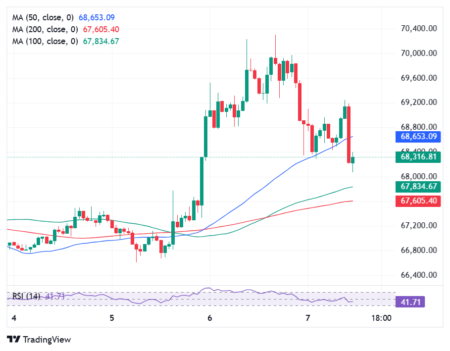
Following the release of the PCE inflation data, Bitcoin experienced a downturn, trading around $88,900, declining from an earlier peak of over $90,000. The cryptocurrency reacted to the overall market sentiment spurred by the inflation news, which created an environment of caution. Bitcoin’s price fluctuation highlights the volatility often associated with cryptocurrencies, particularly in response to macroeconomic indicators. The downward trend was compounded by additional data from the U.S. GDP and jobless claims, which further diminished expectations of immediate rate cuts by the Fed.
Outlook for Fed Rate Cuts
Recent macroeconomic data casts doubt on the prospects of the Federal Reserve implementing rate cuts in the near future. The timeline for the first potential rate cut has been pushed to the June FOMC meeting, according to analysts. Polymarket data reveals that the likelihood of the Fed executing three rate cuts this year has dropped to 27%. These shifting expectations indicate a more extended period of high interest rates, which could further influence the market dynamics for both traditional assets and cryptocurrencies alike.
Conclusion: Navigating Inflation and Market Volatility
In summary, the latest PCE inflation data indicates that U.S. inflation remains a critical concern, influencing Federal Reserve policies and market sentiment. As the Fed prepares to hold rates steady amidst sustained inflationary pressures, Bitcoin and other cryptocurrencies continue to react sensitively to economic indicators. Investors will need to stay vigilant as the economic landscape evolves, keeping an eye on inflation metrics and Federal Reserve actions, which could significantly impact asset prices moving forward. The convergence of inflation data and market volatility serves as a crucial reminder of the interconnectedness of economic indicators and investment strategies.