



Iran Denies Nuclear Talks Amid Escalating Tensions
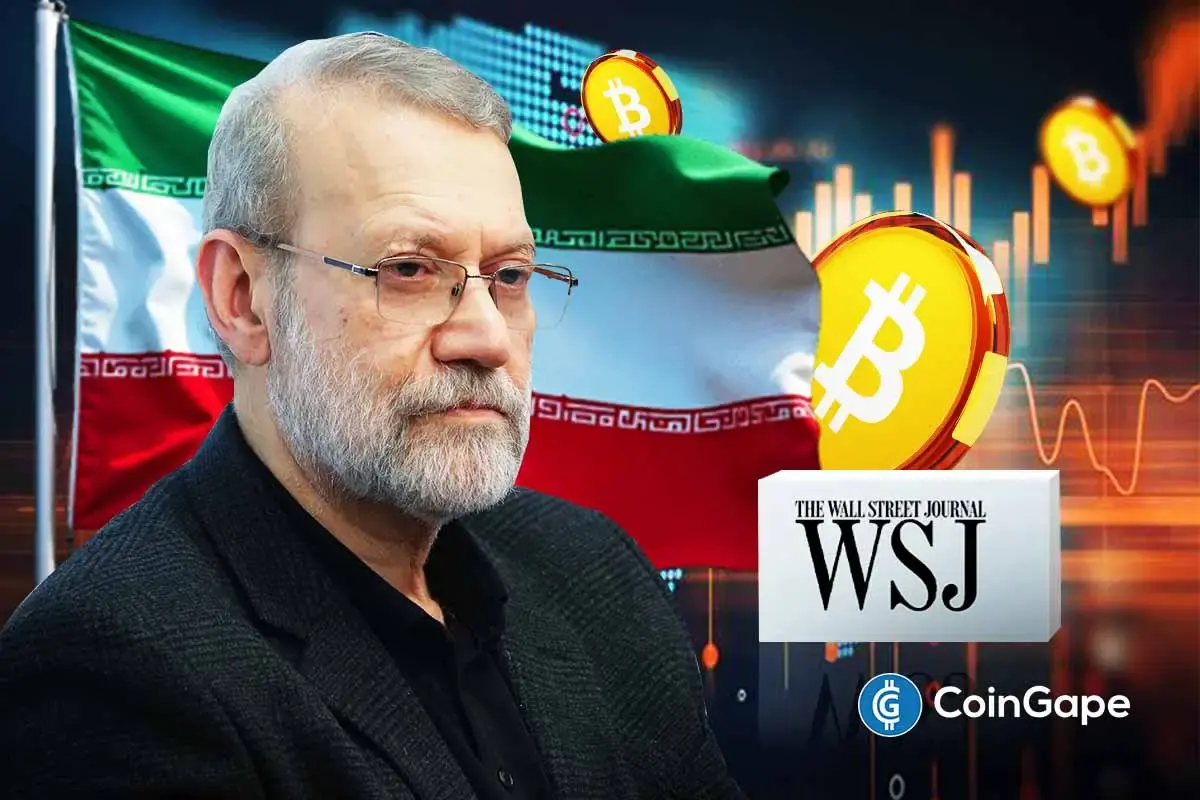
Recent geopolitical tensions in the Middle East have stirred speculation about a potential shift in Iran’s diplomatic strategy regarding nuclear discussions with the United States. However, Iranian officials, led by Ali Larijani, the Secretary of the Supreme National Security Council, emphatically denied a Wall Street Journal (WSJ) report stating that Iran had reached out to the U.S. through Omani intermediaries to renew talks. In a stark statement on social media, Larijani reiterated, “We will not negotiate with the United States,” especially in light of ongoing military escalations and the recent assassination of key Iranian leaders.
Context of the Increased Hostility
This firm stance comes at a time when tensions are peaking between Iran and the U.S., as President Donald Trump has confirmed an uptick in military actions, claiming that there will be sustained airstrikes against Iranian targets. He hinted at a protracted conflict lasting up to four weeks, stating that potential leadership successors in Iran had already been neutralized during initial assaults. This aggressive posture from the U.S. government raises concerns about the broader implications for regional stability and whether diplomatic channels can be reopened.
Bitcoin Market Reaction
In the midst of this geopolitical chaos, Bitcoin has experienced a downturn, decreasing over 1% to around $66,768. The cryptocurrency is exhibiting volatility, reflecting the apprehensive sentiment among global investors as they navigate rising uncertainty. The current trading volume has plunged by 21% within a 24-hour span, indicating a shift in investor sentiment towards safer assets, such as gold. Despite these fluctuations, analysts remain cautiously optimistic about the resilience of the crypto market.
Diverging Market Sentiments
Despite the declines, data from CoinGlass indicates that sentiment within the derivatives market remains fragmented. As geopolitical risks escalate, the total open interest for Bitcoin futures dropped nearly 3%, totaling $43.31 billion in just a day. However, notable increases in open interest for BTC futures on major exchanges like CME and Binance suggest that some investors may be positioning themselves for a potential rebound, contrasting with the prevailing negativity amid the broader market uncertainties.
Diplomatic Implications and Future Prospects
The rejection of renewed nuclear talks adds complexity to an already tumultuous geopolitical landscape. Iran’s unequivocal dismissal of diplomatic overtures, particularly following targeted assassinations, suggests a hardening approach that could preclude future negotiations. The positioning of Omani mediators, traditionally viewed as neutral facilitators, illustrates the intricate web of diplomacy in the region. Nonetheless, it appears that immediate prospects for dialogue remain dim, further complicating the already strained relationships between Tehran and Washington.
Conclusion
In conclusion, the refusal of Iranian officials to engage in nuclear discussions underscores the prevailing distrust and ongoing hostilities in the Middle East. With military actions intensifying and a lack of viable diplomatic avenues, global investors are feeling the pressure, leading to fluctuations in key markets like Bitcoin. The coming weeks will be crucial as developments continue to unfold, potentially reshaping both geopolitical alliances and financial market dynamics. Keeping an eye on these indicators will be essential for investors and policymakers alike as the situation progresses.