




Weekly Jobless Claims and Bitcoin: Analyzing Market Trends
The labor market dynamics have once again caught the attention of economists and investors alike, as the latest initial jobless claims data has surprisingly come in below expectations. For the week ending January 3, 2024, claims rose slightly to 208,000 from a revised 200,000 in the prior week, yet this figure marks a significant deviation from predictions that hovered around 212,000. This unexpected outcome hints at a potential rebound in the labor market, which could complicate the Federal Reserve’s decisions regarding interest rate cuts in the near future, particularly as they approach the January FOMC meeting.
Jobless Claims and Labor Market Outlook
The Department of Labor’s report has introduced a sigh of relief for those worried about economic stagnation. With claims falling below expectations, the broader labor market context suggests resilience. Last week, initial jobless claims saw a significant dip at 199,000, which was well below anticipated figures of 219,000. This consistent pattern of claims data indicates that despite some fluctuations, the labor market remains relatively strong, casting doubts on the necessity for further rate cuts ahead of upcoming Federal Reserve meetings.
Implications for Interest Rates
Historically, jobless claims serve as a bellwether for economic health, and the recent figures may have implications for interest rate policies. The Fed’s cautious stance regarding rate cuts has been heavily influenced by signs of labor market weakness in the past. Last year, as concerns about employment grew, the Fed implemented three rate cuts, which, although aimed at stimulating the economy, inadvertently contributed to Bitcoin reaching staggering highs—peaking at $126,000. With the current labor data presenting an improvement, the case for further cuts may not hold as much weight, compelling traders and investors to reassess their strategies.
Bitcoin’s Market Reaction
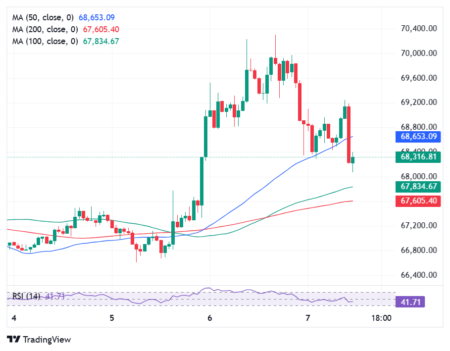
The immediate aftermath of the jobless claims report saw Bitcoin experiencing a decline, dropping below the $90,000 mark. As of the latest reports, Bitcoin is trading around $89,800, representing a more than 2% decrease from the day’s intraday high of over $91,000. This downward shift in Bitcoin’s price can partly be attributed to external pressures, including a significant outflow of $480 million from Bitcoin ETFs. The interplay between macroeconomic data and cryptocurrency valuation has never been more pronounced, indicating that the crypto market is notably affected by traditional economic indicators.
Broader Crypto Market Implications
The bearish sentiment surrounding Bitcoin also reverberates throughout the broader cryptocurrency landscape. With labor market data suggesting improving conditions, the likelihood of additional monetary easing diminishes, creating an atmosphere of uncertainty among crypto investors. As the market grapples with these dual pressures, trading strategies are rapidly evolving. Traders are increasingly adjusting their positions in anticipation of Fed policy actions, with Polymarket data indicating a 93% likelihood that rates will remain unchanged during the January meeting. This sentiment highlights the growing consensus against further monetary easing in light of the positive labor market signals.
Conclusion: Navigating Uncertain Waters
In summary, the recent jobless claims data suggests a positive shift in the labor market, potentially influencing the Federal Reserve’s approach to interest rates. As Bitcoin’s value reacts to both economic indicators and ETF activities, traders are advised to remain vigilant and adapt to these evolving market conditions. The intersection of jobless claims, labor market trends, and cryptocurrency valuations illustrates the complexities of navigating the current economic landscape. Investors should continue monitoring upcoming developments closely, particularly as we approach the January FOMC meeting, which may shape the trajectory of both traditional finance and the crypto sector.