


Terrence Howard’s Warning on Bitcoin: An Actor’s Perspective on Cryptocurrency’s Future
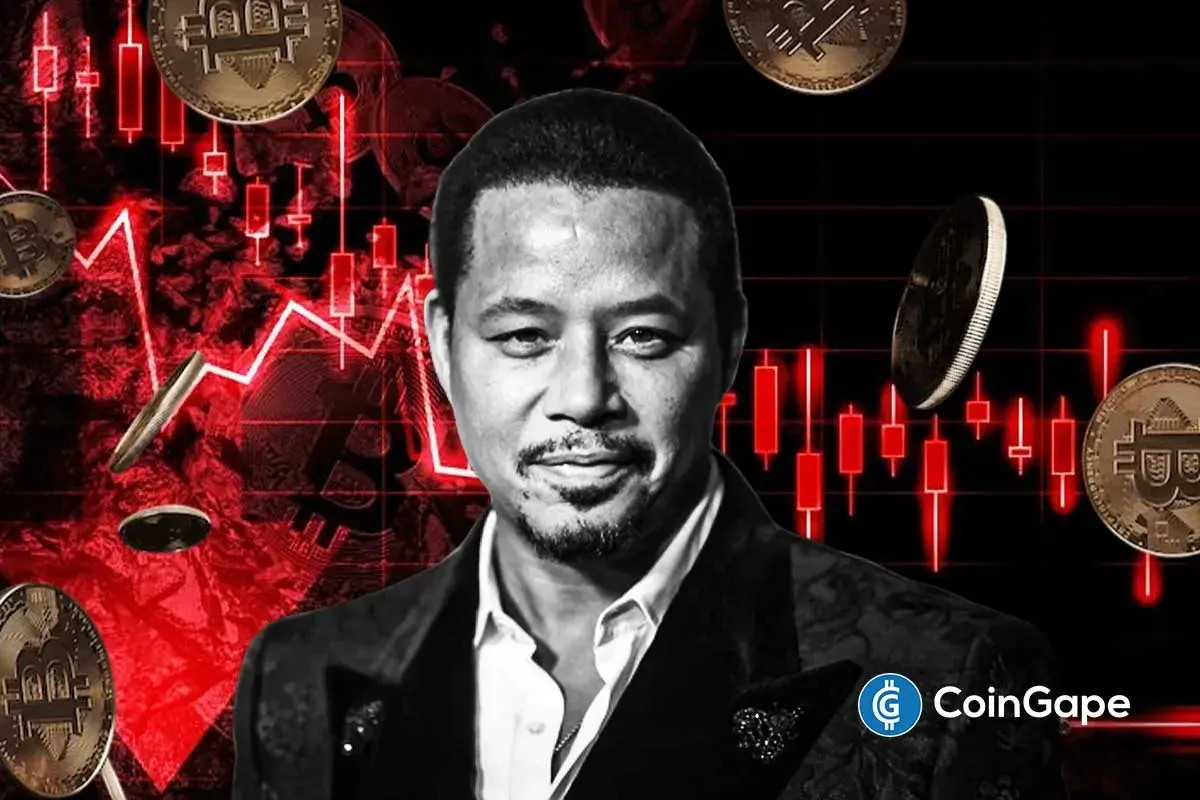
Oscar-nominated actor Terrence Howard has raised eyebrows in the investment community by expressing skepticism about Bitcoin’s future. In a recent appearance on the PBD Podcast with Patrick Bet-David, Howard articulated concerns regarding the cryptocurrency’s dependence on traditional financial systems, particularly the U.S. dollar. His warning that "Bitcoin could die" resonates amidst global tensions and fluctuations in currency values, suggesting a deeper connection between digital assets and conventional economic indicators.
Bitcoin’s Ties to the Traditional Financial System
During the podcast, Howard emphasized how Bitcoin is intricately linked to the U.S. dollar, arguing that its value is largely determined by dollar pricing. While Bitcoin enthusiasts view the cryptocurrency as a hedge against inflation and a store of value, Howard remains unconvinced. He believes the digital asset cannot fully detach itself from the economic pressures affecting global finance. Given the current geopolitical climate, the actor fears that rising instability could lead to unfavorable outcomes for Bitcoin, potentially diminishing its value or even leading to its collapse.
Investment Opportunities vs. Doubts
Howard shared an anecdote about being presented with an opportunity to invest $25 million in a crypto-related venture with ties to Bitcoin. The promise of a $75,000 gain through account-based activities looked appealing at first. However, this experience further fueled his skepticism about investing in Bitcoin. Howard noted that the investment’s reliance on fiat currency and the potential for market volatility solidified his conviction that Bitcoin is fraught with risks. For him, the promise of profit is overshadowed by uncertainties impacting the broader financial landscape.
Geopolitical Factors Influencing Investment Decisions
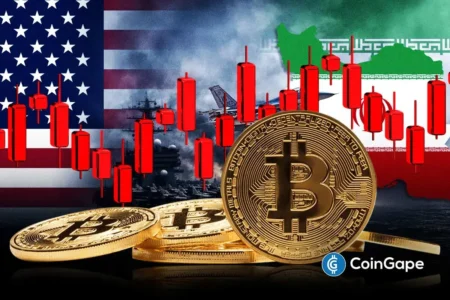
In his conversation, Howard connected his apprehensions to ongoing geopolitical factors and currency instability. He pointed out the ongoing conflicts, such as the U.S.–Iran tensions, which have immediate repercussions on oil prices and market stability. The recent drop in oil prices due to war-related concerns exemplifies how quickly markets can react to global events. In this light, Howard suggests that investors may think twice before holding assets like Bitcoin, which are susceptible to systemic shocks.
The Volatility of Bitcoin: A Historical Perspective
Howard’s concerns about Bitcoin’s instability are backed by historical price fluctuations. He referred to notable price swings—from a surge to $125,000, subsequently falling to around $61,000—demonstrating the cryptocurrency’s unpredictable nature. These significant cycles prompt apprehension in potential investors like Howard, who prefer more stable investment avenues. Unlike Bitcoin, Howard regards precious metals like silver and gold as safer alternatives, viewing them as reliable stores of value amidst economic uncertainty.
Contrasting Perspectives in the Investment Landscape
While Howard’s views diverge sharply from the pro-Bitcoin sentiment prevalent in some circles, there are also voices within the cryptocurrency realm that advocate for cautious investment. Bet-David, for instance, keeps just under one percent of his portfolio in Bitcoin, affirming that he monitors the asset’s long-term market cycles. This contrasting viewpoint highlights the diversity of thought surrounding Bitcoin; while some are enthusiastic advocates, others—like Howard—remain skeptical due to risk factors and current geopolitical uncertainties.
Conclusion: The Future of Bitcoin Amidst Economic Unrest
In conclusion, Terrence Howard’s reservations about Bitcoin serve as a cautionary tale for potential investors. His insights reflect deeper concerns about the intertwining of cryptocurrencies with traditional financial systems, particularly in times of geopolitical unrest. While Bitcoin proponents cite its potential as a revolutionary digital asset, Howard and others like him underscore the importance of acknowledging its vulnerabilities. As global tensions and currency instability persist, the future of Bitcoin may hinge on its ability to adapt to these challenges—or potentially face a decline as Howard warns. Investors must weigh the risks and rewards, staying informed about ongoing developments in both the cryptocurrency landscape and the broader economic sphere.