



Danske Bank Lifts Crypto Restrictions: A Significant Policy Shift
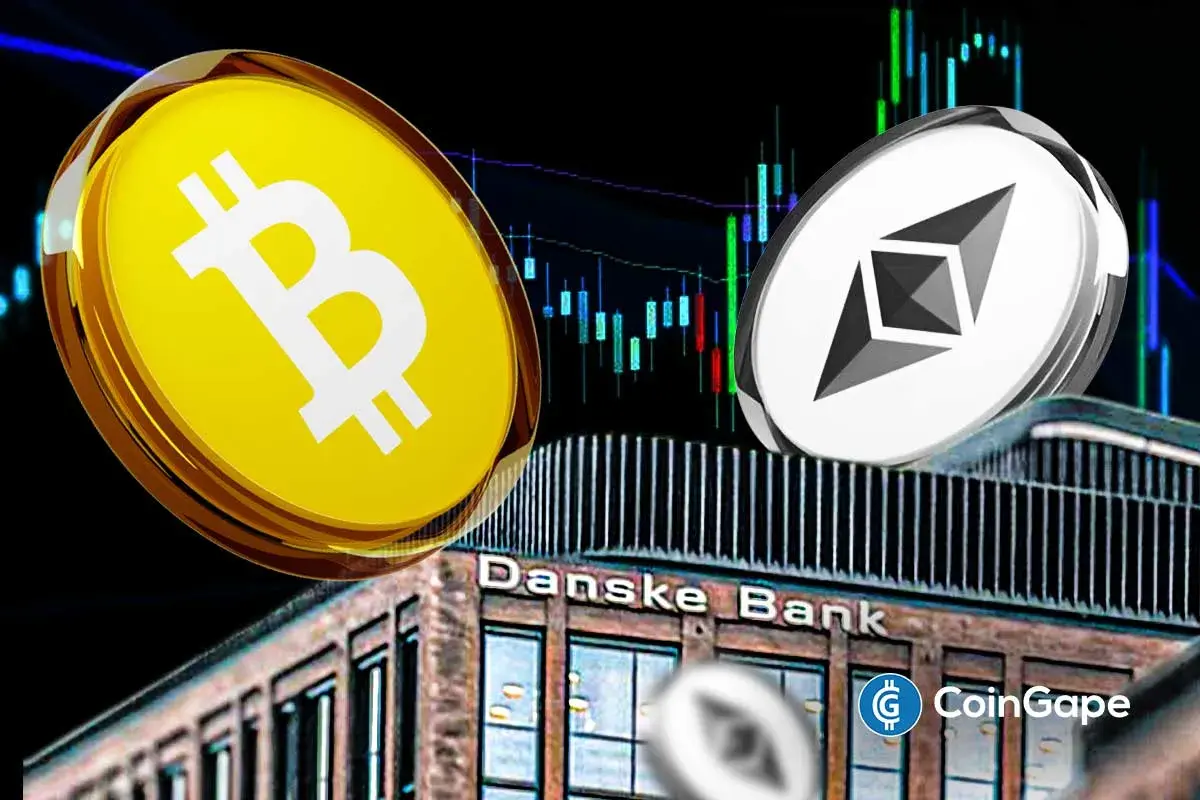
Danske Bank, Denmark’s largest lender, has made a monumental shift in its policy by lifting its ban on digital assets. The bank announced that it will now allow clients to invest in Bitcoin and Ethereum exchange-traded products (ETPs) through its online banking platforms. This change marks a departure from nearly a decade of skepticism towards cryptocurrencies, highlighting the bank’s response to evolving customer demands and the increasing integration of digital assets within conventional financial systems.
A New Era for Danske Bank and Its Clients
In the official announcement, Danske Bank explained that the new offerings would enable users of its eBanking and mobile banking services to gain exposure to Bitcoin and Ethereum without needing to hold the assets themselves. This strategic shift comes after nearly ten years of the bank steering clear of cryptocurrencies, categorizing them as speculative investments unsuitable for most users. The last official stance against cryptocurrencies was reaffirmed in 2021, making this transformation particularly noteworthy. The bank’s commitment to traditional financial principles is now being balanced with the realities of evolving investor behavior.
Responding to Client Demand
Kerstin Lysholm, head of investment products at Danske Bank, indicated that the decision was heavily influenced by rising demand among customers for regulated crypto-backed investment options. The steady increase in inquiries from clients seeking to diversify their portfolios with crypto highlights an important trend. Lysholm also pointed to better regulatory frameworks, such as the EU Markets in Crypto-Assets (MiCA) regulation, which has helped legitimize digital assets in the mainstream financial landscape. This regulatory backing provides both investors and institutions with a level of assurance previously lacking in the crypto space.
Caution Amidst Opportunity
Despite the positive developments, Danske Bank has made it clear that its endorsement of Bitcoin and Ethereum ETPs should not be construed as an invitation to invest heedlessly in cryptocurrencies. The bank maintains a cautious stance, labeling digital assets as high-risk because of their inherent volatility. This acknowledgment serves to remind potential investors that while these new options offer exposure to the crypto market, they are not without their challenges. As such, Danske Bank will refrain from providing advisory services concerning digital assets, directing these new offerings towards self-directed investors who fully understand the risks involved.
Institutional Interest on the Rise
The timing of Danske Bank’s decision is aligned with growing interest from institutional investors in the U.S. market, especially in spot crypto ETFs. According to data from SoSoValue, U.S.-based spot Bitcoin ETFs have experienced substantial net inflows, rising to $311.6 million over the past week. This trend not only indicates a rejuvenation of interest in cryptocurrencies but also reflects broader acceptance of digital assets among professional investors. Notably, ARK’s ARKB ETF led the way with around $69 million in inflows, followed closely by Fidelity’s FBTC and BlackRock’s Bitcoin ETF (IBIT).
The Broader Impact on the Crypto Market
Danske Bank’s efforts to integrate digital assets into its offerings come amidst a challenging crypto market environment, prompting discussions about its long-term sustainability. Bitcoin’s current downtrend raises concerns, with speculation around whether it has entered a bear market. However, Danske Bank remains optimistic about customer interests, highlighting the continued influx of funds into various ETFs, including altcoin and Ethereum-specific products. The market’s dynamics suggest the potential for recovery and growth if institutions continue to engage with regulated financial products tied to cryptocurrencies.
Conclusion: The Future of Digital Asset Investment
Danske Bank’s reopening to digital assets signifies a remarkable adjustment in the traditional banking sector’s approach to cryptocurrencies. The changes reflect not just an internal shift but also a broader recognition of the need to adapt to client demands and market realities in a rapidly evolving financial landscape. As investors navigate the complexities of digital asset investments, banks like Danske are poised to play an essential role in bridging the gap between traditional finance and the burgeoning world of cryptocurrencies. This significant policy shift underscores the need for ongoing regulatory discussions, investor education, and adaptive product offerings in a space that is continually redefining the future of finance.