




Crypto Market Stabilizes Amid Fed’s Treasury Bill Purchases
As we step into 2026, the global cryptocurrency markets are finding a moment of consolidation following a robust start to the year. The recent activities of the Federal Reserve, particularly the completion of approximately $40 billion in Treasury bill Reserve Management Purchases, have attracted the attention of traders focusing on liquidity support for major digital assets. This critical financial maneuver has implications for Bitcoin, Ethereum, and the wider crypto market, which collectively holds a value exceeding $3.1 trillion.
Federal Reserve’s Strategic Moves
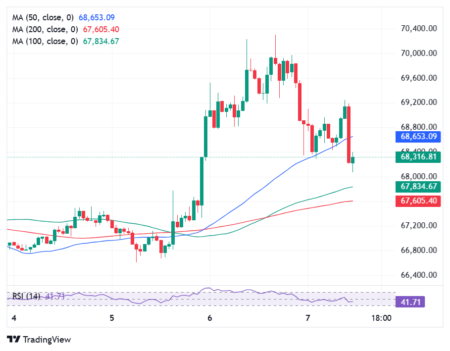
Currently, Bitcoin is priced around $90,770, experiencing a slight decrease of 0.32% in the last 24 hours, while Ethereum is trading close to $3,115. The New York Fed’s recent actions injected over $8.165 billion into the financial system in just one day. This is part of a broader strategy allowing the Fed to invest about $40 billion in short-term Treasury bills, aimed primarily at bolstering reserves for banks and managing short-term interest rates effectively.
The impetus for these Treasury bill purchases stems from the Fed’s policy meeting in December, where it received the green light to resume such activities in the secondary market. This initiative is framed as a technical reserve management undertaking. However, officials insist that these operations do not equate to a change in overall monetary policy. This window for purchases extends from December 12 to mid-January and includes approximately $14.4 billion in reinvestment buying, translating to a total demand exceeding $54 billion.
Implications for Cryptocurrency Liquidity
The impact of substantial liquidity infusions on funding markets cannot be understated. Historically, similar injections have eased funding stress, contributing to reduced volatility and providing a supportive backdrop for risk assets, including cryptocurrencies. Analyst Mark pointed out the noteworthy figure of $8.165 billion in injections and anticipated monthly purchases ranging between $40 billion and $80 billion. These liquidity measures have often preceded significant rallies, particularly in mid and small cap altcoins.
Market commentators, including James Lavish, have labeled these actions as a form of quantitative easing, despite the Fed’s terminology referring to them as "Reserve Management." Such terminology has ignited debates among traders and economists alike. In fact, survey reports indicate that there are estimates suggesting more than $200 billion in Reserve Management Purchases could occur over the next year.
Critiques and Concerns
While the Fed’s tactical maneuvers are aimed at stabilizing the financial system, critics are quick to highlight the potential risks. There are concerns that repeated reserve management operations may inadvertently ease overall financial conditions and indirectly assist Treasury financing—even if these actions are solely confined to Treasury bills. The potential for an "easing" effect on broader market conditions raises alarms among some analysts.
Skeptics, including renowned investor Michael Burry, have drawn attention to the precarious state of the U.S. banking system. They suggest that the Fed’s ongoing need for liquidity injections signals weaknesses within the banking sector. Critics note that despite these significant financial maneuvers, banks continue to hold substantial reserves at the Federal Reserve, indicating that the market may not be as robust as it appears.
Crypto Market Resilience
In the broader context, the cryptocurrency market’s resilience amidst Fed actions illustrates its evolving dynamics. While the Fed’s reserve management actions and liquidity supports may provide short-term stability, underlying factors, such as regulatory scrutiny and market demand, will likely shape long-term trends. Investors are advised to remain aware of macroeconomic trends that can influence market performance.
Furthermore, the crypto space is experiencing innovation through decentralized finance (DeFi) and non-fungible tokens (NFTs), driving new investment opportunities. Despite challenges posed by regulatory scrutiny, market participants are optimistic about the potential for growth and diversification within the cryptocurrency sector.
Looking Ahead
As 2026 unfolds, market participants should stay tuned to developments from the Federal Reserve and their implications for the broader financial landscape. Observing how the Fed’s monetary policies impact liquidity and risk appetite will provide insights into how Bitcoin, Ethereum, and other digital assets may fare in various market scenarios.
In summary, while the Fed’s recent initiatives appear to lend support to the crypto markets, ongoing evaluation of financial conditions, partnerships within the decentralized ecosystem, and regulatory developments remain crucial. Investors keen on cryptocurrencies should remain mindful of these elements as they navigate this dynamic and often unpredictable landscape.