




Bitcoin Downtrend and Future Predictions: Insights from Tom Lee
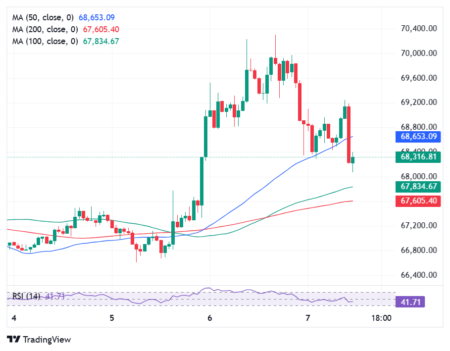
The cryptocurrency market is experiencing a significant downturn as Bitcoin and various altcoins continue to decline. Recently, prominent figures like Tom Lee, head of research at Fundstrat, expressed concerns that this could be just a precursor to a prolonged bearish phase for cryptocurrencies, potentially extending into 2026. With Bitcoin’s price plummeting below $90,000—after a rally that momentarily approached the $100,000 mark—market conditions appear increasingly untenable, raising alarms among investors and market analysts.
The Current State of Bitcoin
The ongoing crypto crash reflects a complex interplay of geopolitical tensions and market fundamentals. Bitcoin’s recent decline is alarming for many traders and investors who had high hopes for a year characterized by substantial gains. Tom Lee pointed out in a recent podcast interview with Wilfred Frost that the landscape for 2026 may resemble the challenging scenarios faced during 2025. Notably, Lee, while projecting a potential drop in market performance, also noted that Bitcoin could still achieve a new all-time high within the year, indicating a possible rebound amidst the downturn.
Market Fundamentals and Bearish Predictions
Lee’s analysis emphasizes the significance of market fundamentals in understanding current trends. He warned of a "painful decline" across cryptocurrencies and the broader markets for much of 2026, particularly if these fundamentals do not improve. According to him, the key determinant of market recovery will be Bitcoin’s ability to break through its previous all-time high. Such a development would signal that the previous deleveraging events, which resulted in massive losses across leveraged positions, are behind us.
Fundstrat has further articulated caution, suggesting that Bitcoin could hit levels as low as $60,000 or $65,000 throughout the early part of the year. They posit that the general trend for markets may remain bearish, only to pivot upwards in the latter half of the year as conditions stabilize.
Impact of Geopolitical Factors
The crypto market has been unusually responsive to geopolitical events, particularly the Supreme Court’s inaction regarding the Trump Tariffs. Speculation had run high in anticipation of a ruling that could impact crypto’s legal landscape in the U.S. Market sentiments were volatile as President Trump threatened trade sanctions against countries like France, exacerbating an already tumultuous trading environment. The prospect of such tariffs underscores the fragility of the current market, as investors are acutely aware of the broader implications of these policies.
In addition to tariff tensions, the Bank of Japan’s recent hints at potential interest rate hikes are also contributing to a dampened market atmosphere. Concerns surrounding inflation and currency stability have prompted discussions about financial protocols worldwide, adding another layer of complexity to the crypto crash.
Market Volatility and Investor Sentiment
Investor sentiment plays a pivotal role in shaping market volatility. As Bitcoin and altcoins slide further, many are questioning the viability of maintaining positions when faced with such uncertainty. Historical patterns suggest that sharp pullbacks often precede upward movements, as seen in previous market cycles. However, navigating these turbulent waters requires a careful assessment of both external factors and internal market metrics.
Lee’s insights suggest a cautious optimism, proposing that recovery is possible if Bitcoin can reclaim its previous highs this year. But this hinges on whether the broader market can stabilize following these geopolitical upheavals. The potential for corrections in other sectors, particularly the stock market, could further complicate the landscape for cryptocurrencies.
Looking Ahead: Will the Crypto Market Rebound?
As we look ahead, the fundamental question centers around whether the crypto market can successfully rebound from this troubling downturn. The interplay of international policies, market sentiment, and investor behavior will be critical in shaping the recovery trajectory for Bitcoin and its altcoin counterparts. Tom Lee’s perspectives underscore this crucial juncture, stating that 2026 could serve as a litmus test for Bitcoin’s long-term sustainability.
In essence, while the immediate future may appear bleak, the potential for recovery is contingent upon a variety of factors aligning positively. Bitcoin could once again defy the odds by achieving unprecedented highs, thereby emerging from the shadows of market decline. However, investors must remain vigilant, adapting to the dynamic conditions that continue to shape the cryptocurrency landscape.
Conclusion: What Lies Ahead for Cryptocurrencies?
The ongoing crypto crash marks a defining moment for both Bitcoin and the broader crypto landscape. Tom Lee’s cautionary outlook serves as a reminder of the intricate interconnectedness of market fundamentals and geopolitical dynamics. Investors are urged to remain informed and prepared for further fluctuations as the market grapples with these challenges. By evaluating insights from leading analysts and understanding the potential implications of external factors, stakeholders can navigate this complex market with greater awareness. As we move forward, the path to recovery, albeit uncertain, holds the promise of opportunity for those willing to weather the storm.