




The Great Crypto Market Crash: Causes and Consequences
The recent crypto market crash, now dubbed the largest in history, saw the total market capitalization plummet by over $500 billion and triggered liquidations amounting to nearly $20 billion across major cryptocurrencies. Bitcoin tumbled to a low of $104,582, while Ethereum fell to $3,460. The cryptocurrency community has pointed fingers at a variety of culprits, naming Binance, the Wintermute market maker, and even former U.S. President Donald Trump as playing roles in this catastrophic event.
Wintermute’s Key Role in Market Manipulation
At the heart of the controversy surrounding the crash is Wintermute, a market maker linked to Binance. Prior to the downturn, Wintermute transferred over $700 million into Binance’s hot wallet, prompting accusations of market manipulation from crypto traders. Many believe that this excessive deposit led to a subsequent withdrawal of market liquidity, igniting a chain reaction that saw significant cryptocurrencies, including Solana and Ethereum, experience drastic price declines. According to analysts like Hanzo from EveryCryptoTool, this series of events proved that the underlying mechanics of the market might be controlled by a select few, undermining the decentralized ethos of cryptocurrencies.
Binance itself became another focal point for criticism, with users reporting numerous issues during the crash. Many experienced froze orders and latency issues, fuelling speculation that the exchange’s infrastructure was inadequately equipped to handle such enormous volumes of activity and liquidation. As liquidity was pulled from the market, investors found themselves unable to execute their trades, further exacerbating the decline.
Targeted Exploits and Systemic Flaws
The crash appears to have taken advantage of systemic flaws within Binance’s Unified Account margin system, as highlighted by Uphold’s head of research, Martin Hiesboeck. He explains how the exploitation of assets like USDe, wBETH, and BNSOL as collateral resulted in cascading liquidations when USDe fell to $0.65. This situation created a perfect storm for attackers who profited handsomely from the ensuing chaos. Reports suggest that up to $1 billion in losses might have been inflicted, as attackers opened substantial short positions on prominent cryptocurrencies like Bitcoin and Ethereum just before the market nosedive.
Moreover, the systemic weaknesses within the exchange’s internal pricing mechanisms had dire consequences. With liquidation prices set according to a volatile spot market, traders were ill-prepared for the rapid declines, leading to significant losses across the board. Many industry analysts believe this event not only illustrates the fragility of current crypto exchanges but also exposes how minor design flaws can be leveraged for significant financial gain.
The Role of Political Commentary in Market Dynamics
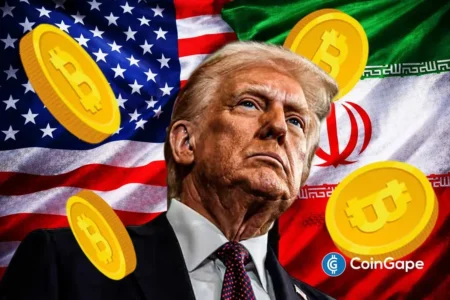
Adding another layer of complexity to the crash, the political landscape has also taken center stage. A social media post by Donald Trump, announcing hefty tariffs on Chinese imports, was seen as a key catalyst that set off panic across both stock and crypto markets. Trump’s announcement of a 100% tariff on Chinese goods starting November 1 sent shockwaves through the financial ecosystem, exacerbating an already precarious situation. Not only did this create trepidation in traditional markets, but it also had reverberations throughout the volatile world of cryptocurrencies.
Many in the crypto community have pointed out that the timing of Trump’s announcement coincided almost perfectly with the onset of the crash, leading to speculation that entities may have been preparing for this fallout. As sentiments shifted rapidly, crypto price discrepancies became evident across various exchanges, raising further concerns over the credibility and operational transparency of these platforms.
Insider Trading Allegations Surface
Amid the turmoil arose further allegations of insider trading, specifically related to financial dealings of Trump family-backed World Liberty Financial Inc. (WLFI). Reports indicated that WLFI shares were dumped prior to the crash, further affirming suspicions of premeditated strategies by insiders aware of impending market fluctuations. The notion that certain players were privy to insider information has raised ethical concerns about market manipulation and abuse in an industry already high-risk and rife with uncertainty.
Reports illustrate a glaring disparity in prices across different platforms during the crash. For instance, Dogecoin plummeted to $0.09 on Binance and several other exchanges, while its price remained noticeably higher on Coinbase. This discrepancy has led many to question whether market makers are implementing differing strategies or if protective measures are in play, highlighting ongoing transparency and fairness issues in exchanges.
Moving Forward: Calls for Transparency and Regulation
As the dust settles from this monumental crash, the crypto community finds itself confronting a pivotal moment. Calls for greater regulatory oversight and improved transparency within exchanges are louder than ever. Users are increasingly advocating for more robust frameworks that ensure liquidity is maintained during volatile markets and that systemic flaws in trading systems are addressed.
Binance, in particular, has committed to compensating users who suffered losses from the crash, but many question whether compensation can truly address the deeper issues of trust and reliability that have been eroded. Enhanced educational resources for users and more stringent vetting of market makers may provide some peace of mind, but the future of cryptocurrency trading remains uncertain as the industry grapples with the fallout of this unprecedented event.
Conclusion: Lessons Learned from the Crash
While this monumental crash presented devastating effects for countless investors, it also serves as a critical learning moment for the industry. The complexities of cryptocurrency trading and the interdependencies of market structures highlight urgent needs for reform, both in terms of technological capabilities and regulatory frameworks. As stakeholders assess the aftermath of the event, ongoing discussions around transparency and accountability will shape the path forward. With lessons drawn from this crisis, stakeholders hope for a more secure and stable cryptocurrency landscape in the future.