




Arizona’s Groundbreaking Crypto Reserve Proposition Gains Momentum
On February 16, Arizona’s Senate Bill 1649 (SB1649) gained significant traction, pushing forward a pioneering initiative to establish a state-managed Digital Assets Strategic Reserve Fund. This proposal, introduced by Senator Mark Finchem, cleared the Senate Finance Committee with a 4-2 vote, marking a crucial milestone in Arizona’s foray into the digital assets landscape. As it transitions to the Senate Rules Committee, this bill promises to reshape the state’s approach to managing cryptocurrency, specifically by leveraging seized and confiscated digital assets like Bitcoin and XRP.
A Robust Structure for Managing Digital Assets
The essence of SB1649 lies in the creation of a Digital Assets Strategic Reserve Fund, likely to be overseen by the Arizona State Treasurer. This fund aims to include not only money appropriated by the state legislature but also digital assets that the state has seized, confiscated, or received. Crucially, the bill stipulates that these assets must be stored securely, whether through qualified custodians or exchange-traded products that comply with Arizona regulations. This structured approach ensures that the state can effectively manage digital assets while mitigating risks associated with volatility and cybersecurity concerns.
Investment and Loan Provisions to Generate Returns
An intriguing aspect of SB1649 is the empowered treasury’s ability to not only manage but also invest the assets within the crypto reserve. This provision could open avenues for generating additional revenue through prudent investments, thereby fostering fiscal responsibility. Notably, the bill permits the state to loan out its digital assets to create returns, provided that such actions do not increase financial risks. This unique angle adds a layer of financial strategy, allowing Arizona to innovate in the digital asset arena while still prioritizing secure management and oversight.
Eligibility Criteria for Digital Assets
The bill outlines specific eligibility criteria for digital assets to be included in the reserve. It broadly defines eligible digital assets to encompass various forms of virtual currencies, including Bitcoin, XRP, and stablecoins. However, assets must meet certain standards established by a "cryptocurrency fair value score," which evaluates their economic and technical vitality. Factors like market capitalization, network activity, and development ecosystems play pivotal roles in determining an asset’s eligibility. By setting these benchmarks, SB1649 strives to ensure that only robust and viable cryptocurrencies are part of Arizona’s strategic reserve.
Market Impact and Ongoing Challenges
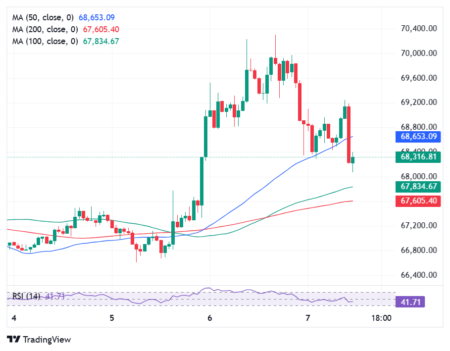
Despite the optimism surrounding SB1649, recent market fluctuations for targeted digital assets indicate that Bitcoin and XRP have both experienced price declines in recent weeks. As legislators work to finalize provisions for the crypto reserve, Bitcoin currently sits at $67,035.93—down 1.84% over 24 hours and 29.43% in the past month. XRP mirrors this trend, trading around $1.44 with similar drops. It’s pertinent to note that SB1649 aligns itself with existing legislative frameworks, focusing on seized or surrendered assets rather than direct state purchases—a shift from earlier laws tied to unclaimed or abandoned property.
The Bigger Picture for Digital Asset Policy
As Arizona dives deeper into cryptocurrency management, broader federal developments continue to shape the digital asset landscape. Reports indicate that the White House is engaging with crypto and banking leaders to evaluate potential regulatory frameworks surrounding cryptocurrencies. These discussions could have cascading effects on how states like Arizona approach their own digital asset policies, including the implementation and fine-tuning of SB1649. Observers will need to remain vigilant about both local legislative progress and national regulatory shifts.
Conclusion
Arizona’s advancement of SB1649 marks a pivotal moment in the evolving narrative of cryptocurrency regulation and management in the United States. By establishing a structured reserve for digital assets, Arizona exemplifies a forward-thinking approach to harnessing the potential of cryptocurrencies to benefit the state financially. With stringent eligibility criteria, provisions for secure custody, and opportunities for investment and loans, the Digital Assets Strategic Reserve Fund could serve as a model for other states aiming to engage responsibly with the digital asset market. As developments unfold, Arizona’s lawmakers, along with federal leaders, will undoubtedly influence the trajectory of cryptocurrency regulation in this transformative economic landscape.