

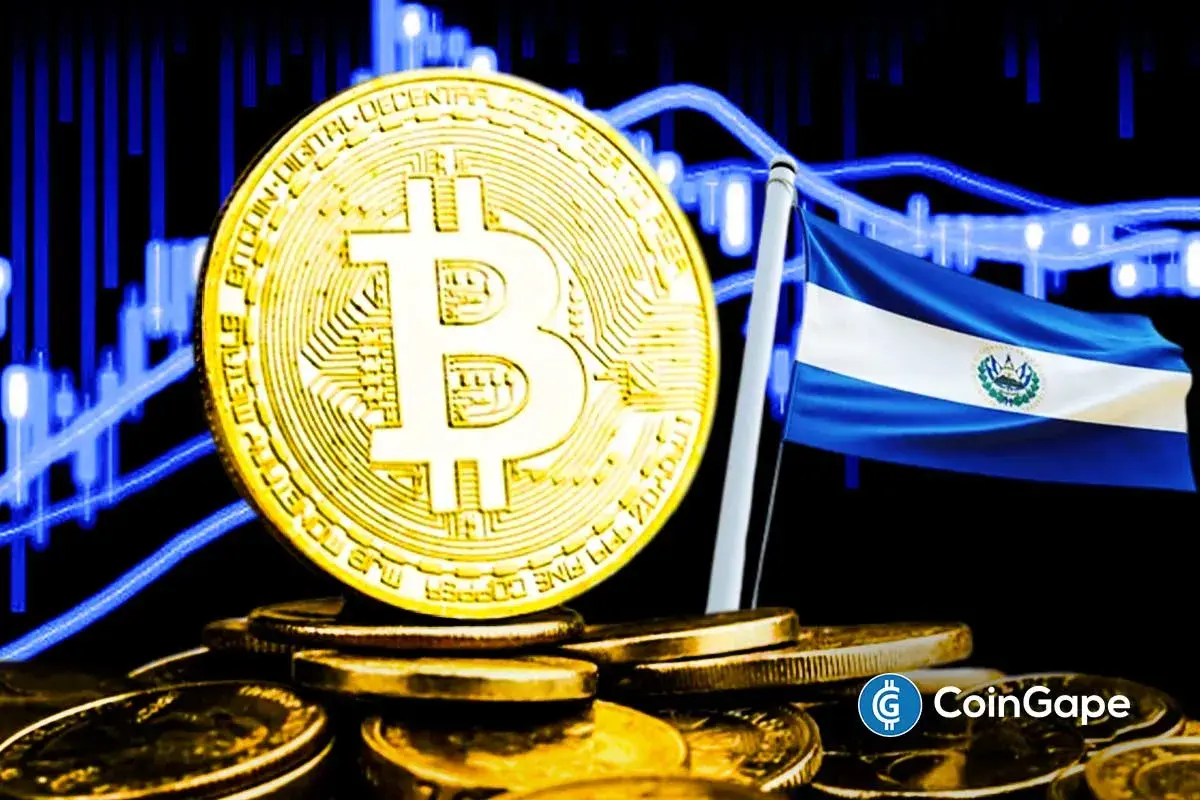

El Salvador’s Bitcoin Initiatives: A Turning Point in Collaboration with the IMF
El Salvador’s approach to Bitcoin has entered a pivotal phase as ongoing negotiations with the International Monetary Fund (IMF) gain traction. The focus of these discussions revolves around the government’s controversial Bitcoin project and the planned sale of its official e-wallet, Chivo. By enhancing transparency and addressing the associated risks, El Salvador aims to secure a vital loan of $1.14 billion under the Extended Fund Facility (EFF) that could significantly influence its economic trajectory.
Progress in Negotiations with the IMF
Recent updates from the IMF indicate that negotiations with El Salvador concerning Bitcoin are progressing positively. The institution notes that discussions regarding the sale of the Chivo wallet are moving forward, highlighting the importance of safeguarding public resources. The IMF’s emphasis on enhancing transparency suggests a concerted effort to create a more stable environment for Bitcoin transactions within El Salvador, all while addressing potential financial risks. This mutual commitment signals potential growth opportunities, contingent on successful negotiations.
Understanding the Extended Fund Facility Program
The Extended Fund Facility (EFF) program underpins El Salvador’s plans for financial stabilization and growth. As part of its economic strategy, President Nayib Bukele is collaborating closely with the IMF to secure a $1.14 billion loan through this framework. The EFF is particularly designed to support countries demonstrating a strong commitment to macroeconomic reforms, and El Salvador’s intentions to pause its Bitcoin acquisition strategy fall under this umbrella. The proposed sale of Chivo’s infrastructure indicates a shift toward greater private sector involvement, enabling broader usage of Bitcoin as legal tender.
Bitcoin Accumulation Amidst Strategic Changes
Despite the planned pause in its Bitcoin accumulation strategy, El Salvador appears to be continuing its daily BTC purchase plan. Reports disclose that the government currently holds approximately 7,508 BTC, having recently made its largest acquisition to date—over $100 million in Bitcoin. This ongoing accumulation suggests that while the country seeks international support and financial stability, it remains committed to its innovative vision of incorporating Bitcoin into its economy. The duality of seeking IMF assistance while continuing to embrace cryptocurrency showcases the balancing act that El Salvador is navigating.
Economic Growth and Its Implications
Recent analyses from the IMF have spotlighted El Salvador’s economic growth, predicting a real GDP growth rate of around 4% for the current year. This positive forecast stems from improved national confidence, substantial remittances, and robust investments. The local economy’s resilience can bolster support for ongoing Bitcoin initiatives, as the government emphasizes fiscal discipline and commitment to long-term financial objectives. Such growth indicates that a stable economic platform can pave the way for Bitcoin to play a more integral role in national finance and services.
Commitment to Fiscal Discipline
El Salvador’s dedication to fiscal consolidation remains evident, as outlined in the IMF’s assessments. With a stated goal of achieving a positive primary balance by the end of 2025, the government’s recent budgetary decisions signal a resolve to reduce deficits while simultaneously expanding social spending. This commitment not only aims to improve internal economic conditions but also enhances international perceptions of El Salvador’s financial management. A robust fiscal strategy could boost both local investment and foreign confidence, further complementing the phased integration of Bitcoin.
The Future of Bitcoin in El Salvador
As negotiations with the IMF continue to evolve, the future of Bitcoin in El Salvador hangs in balance. The ongoing talks to secure the $1.14 billion loan highlight the intricate dance of supporting innovative financial practices while ensuring economic stability. By prioritizing transparency and minimizing risks, El Salvador’s actions may set a precedent for other nations contemplating similar cryptocurrency initiatives. The harmonious blend of fiscal responsibility and pioneering Bitcoin strategies could shape a transformative narrative, potentially positioning El Salvador as a leader in the world of digital currency adoption, should these negotiations conclude favorably.