



US Federal Reserve’s Stance Amid Rising Inflation Pressures and Oil Price Volatility
As the U.S. Federal Reserve prepares for its upcoming meeting, the prevailing expectation is that interest rates will remain steady for the time being. Despite ongoing pressure from former President Donald Trump to lower rates, global economic factors are complicating the Fed’s decision-making. Notably, the escalating conflict in Iran has led to rising oil prices, rekindling speculation about a possible rate hike. In parallel, China is planning to release significant amounts of its oil reserves, aiming to mitigate the economic impact of fluctuating prices.
Impact of Rising Oil Prices on Inflation
Recent analysis from 10x Research has highlighted the profound influence that soaring oil prices could have on U.S. inflation rates. According to their regression model, the conflict in the Middle East and resulting disruptions in oil supply could elevate the U.S. Consumer Price Index (CPI) inflation from the current rate of 2.43% to as high as 3.4%. These projections suggest that a fundamental shift in the macroeconomic landscape is on the horizon, prompting speculations that the Fed may need to reassess its position on interest rates.
Potential Shift in Fed Policy
With inflation forecasts climbing, the Federal Reserve faces increasing pressure to abandon any expectations for rate cuts. Leading financial institutions like JPMorgan have gone so far as to predict that the Fed will not implement any rate cuts through 2026. Similarly, major firms such as Barclays, Goldman Sachs, and Morgan Stanley have revised their forecasts regarding rate cuts, indicating a growing consensus that the Fed might be on the brink of a rate hike sooner than anticipated.
Effects on Cryptocurrency Markets
The looming possibility of a Fed rate hike has already begun to impact cryptocurrency markets. Reports suggest that the expected increase in interest rates could lead to renewed selling pressures for cryptocurrencies, particularly Bitcoin. Citigroup has recently reduced its 12-month price target for Bitcoin to $112,000, and they’ve issued a cautionary note that BTC might plummet to as low as $58,000 due to broader macroeconomic uncertainties. Ethereum also faces a reduced target of $3,175, signaling that investors are wary amid market volatility.
China’s Strategic Move with Oil Reserves
In a counter-move to rising oil prices, China has announced plans to release approximately 1.4 billion barrels of crude oil reserves. This significant amount exceeds the total U.S. Strategic Petroleum Reserve and serves to cushion China’s economy against inflated global oil prices. Experts from GL Consulting have indicated that Chinese state-owned refiners are likely to prioritize refining gasoline and diesel to stabilize domestic fuel supplies, even as the conflict in Iran persists.
Market Reactions and Future Projections
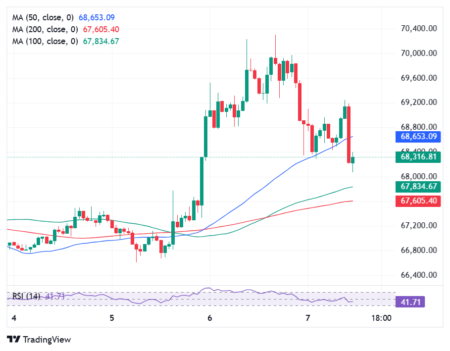
As developments unfold, both the oil and cryptocurrency markets are reacting to these economic uncertainties. Today, West Texas Intermediate (WTI) crude oil futures experienced a 1% drop to $95 per barrel, while Brent crude saw a 1.30% increase, now priced at $104 per barrel. In the cryptocurrency realm, Bitcoin faced a decline exceeding 1.5%, dipping below $73,000 as traders adjust their strategies in response to rising oil costs and persistent inflation. As market conditions evolve, stakeholders must remain vigilant, as decisions made by the Federal Reserve and reactions from global entities like China will undoubtedly shape economic landscapes in the coming months.