



Ripple and AWS Partnership: Advancing the XRP Ledger with AI
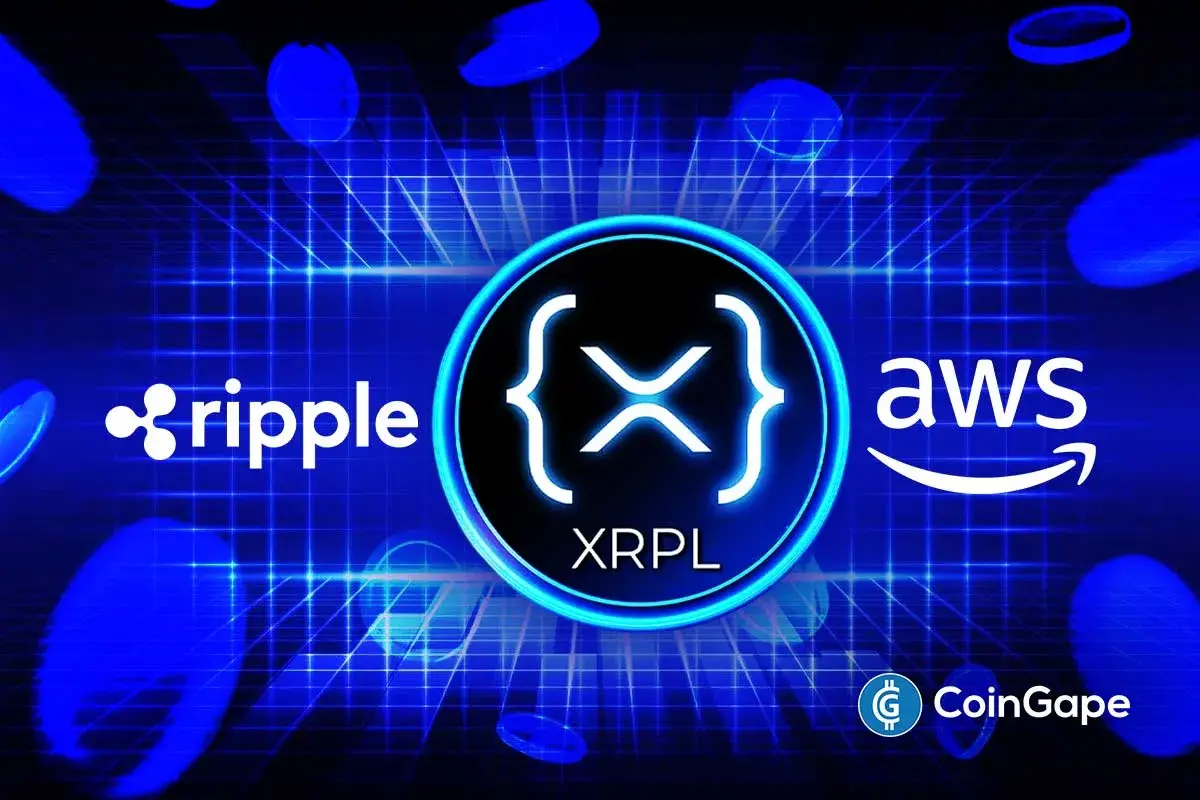
Ripple is actively pursuing a strategic partnership with Amazon Web Services (AWS) to harness the power of artificial intelligence through Amazon Bedrock, aiming to unlock new use cases for the XRP Ledger (XRPL). By testing AWS’s AI capabilities, Ripple hopes to enhance network operations significantly, focusing on performance management and scalability. This collaboration signals a pivotal step toward leveraging modern technology to optimize blockchain performance.
Enhancing XRP Ledger Operations with AI
As Ripple engages in discussions with AWS, the focus is on integrating Amazon Bedrock into the XRPL. This AI-powered solution can analyze vast amounts of data quickly, transforming the previously arduous task of managing performance logs. Traditionally, programmers would expend two to three days sifting through logs for anomalies. With AI integration, this time could be reduced to mere minutes, allowing for efficient monitoring and anomaly detection within the decentralized system.
The evolution of the XRPL showcases its high-performance capabilities built on robust C++ programming. The combination of C++ and AWS’s AI tools is expected to refine log analysis processes crucial for maintaining seamless operations as the network continues to expand. This integration can play a significant role in addressing the increasing complexity of transactional logs as user engagement and transaction volumes grow.
XRPL: A Platform for Speed and Efficiency
The XRP Ledger is renowned for its swift transaction capabilities and its cost-effective operations. By collaborating with AWS and utilizing AI technologies, Ripple can push the envelope of efficiency even further. The AI-driven analysis provided by Amazon Bedrock is not only about speed; it also enhances reliability when managing multiple transactions, offering solutions that align with the enterprise-level demands of the decentralized finance (DeFi) ecosystem.
Ongoing improvements to the XRPL, including the recent launch of "rippled v3.0.0" at the end of 2022, have strengthened the ledger’s capabilities. This update introduced numerous reliability fixes and innovative features designed to enhance DeFi services. These initiatives are complemented by the introduction of a lending platform, optimizing processes for asset adoption, including XRP and RLUSD.
Future Prospects: Programmability and Smart Contracts
As Ripple pushes forward, there’s been notable progress in programmability, especially regarding smart contracts. The successful update of Smart Escrow Devnet earlier this year hinted at advancements that could facilitate more sophisticated smart contract capabilities on the XRPL. This evolution positions Ripple to support tokenized assets for fund management, such as those initiated by major financial players like BlackRock.
The continued effort to enhance programmability on the XRP Ledger is indicative of Ripple’s commitment to staying ahead of industry trends. With rapid advancements in technology and an ever-changing regulatory landscape, the ability to adapt and innovate using smart contracts and programmable assets will be crucial for Ripple’s sustained relevance and growth in the blockchain sector.
XRP Ledger: A Growing Network
The XRPL has shown remarkable annual growth, with current assessments indicating that liquidity dynamics in its decentralized exchange have reached approximately $173 billion. This growth reflects Ripple’s strategic maneuvers in broadening the ledger’s use cases and attracting a diverse user base. The ongoing integration of advanced features and enhanced management capabilities will likely further solidify XRP Ledger’s position in the market.
An important highlight of this growth trajectory is the introduction of the Multi-Purpose Token (MPT) in October. This new protocol-level upgrade will streamline the issuance of real-world assets (RWAs) on the blockchain, reducing reliance on complex smart contracts. As compliance solutions continue to evolve, the introduction of MPT illustrates Ripple’s forward-thinking approach, leveraging new standards to facilitate the seamless incorporation of RWAs into the blockchain.
Looking Ahead: New XRPL Lending Protocol
In anticipation of future development, Ripple has laid out ambitious plans for a new XRPL Lending Protocol. This innovative framework aims to enable fixed-term and fixed-rate lending options, alongside underwritten lending functionalities on the ledger. As Ripple prepares to implement these new financial services, the collaboration with AWS for AI optimization could provide a significant competitive edge in the lending market.
The implementation of a comprehensive lending protocol on the XRPL stands to diversify its offerings and attract a broader range of financial service providers. With the potential to redefine loan structures and processes within decentralized finance, this initiative will solidify Ripple’s reputation as an innovator in the crypto space, paving the way for more extensive adoption.
Conclusion
The potential partnership between Ripple and AWS marks a significant advancement in the evolution of the XRP Ledger. By integrating AI-driven solutions through Amazon Bedrock, Ripple could enhance operational performance and scalability, transforming how blockchain technology manages transactions and logs. As the XRPL continues to grow and develop new features such as the Multi-Purpose Token and the forthcoming Lending Protocol, the partnership represents a promising future for Ripple in the blockchain and DeFi sectors. As this collaboration unfolds, it will undoubtedly leave a lasting impact, setting a benchmark for innovation in the industry.