



OCC’s Move on World Liberty Bank Charter: Implications and Developments
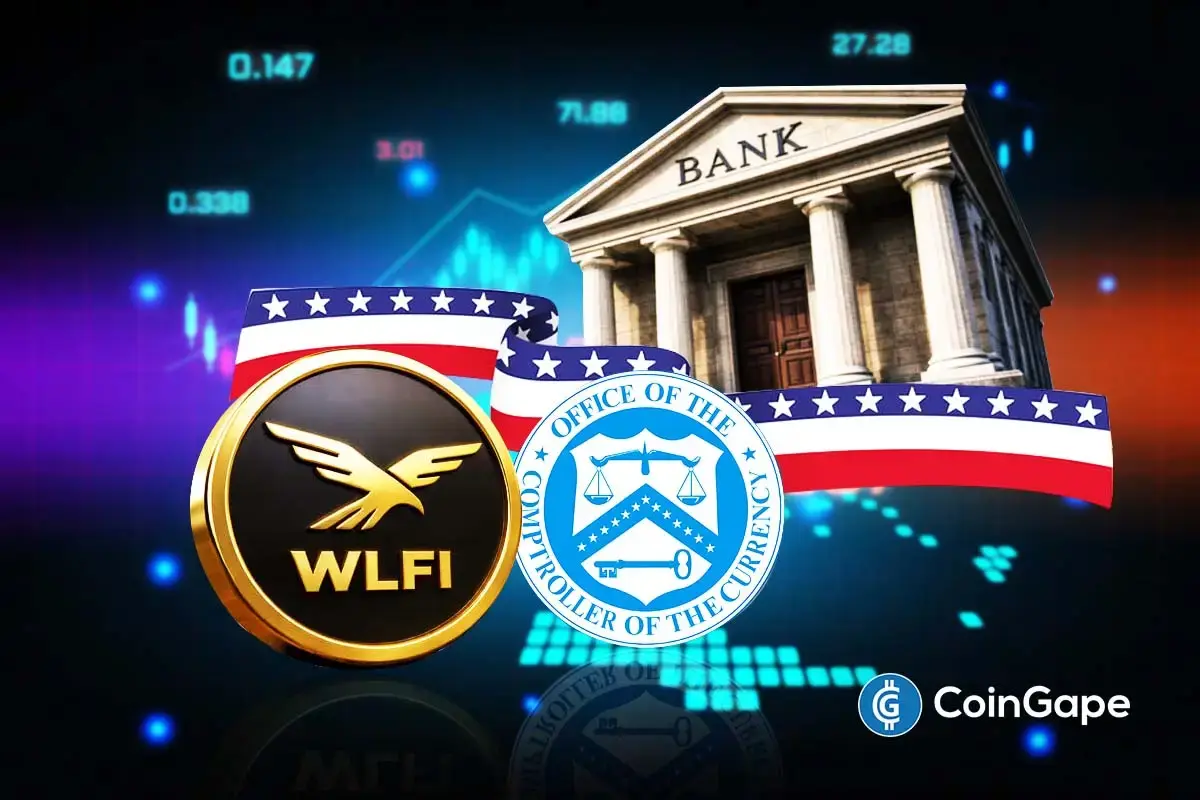
The Office of the Comptroller of the Currency (OCC) has announced its intent to proceed with the evaluation of World Liberty Bank’s charter application, amidst rising concerns voiced by U.S. Senator Elizabeth Warren. This decision has prompted significant discourse regarding the intersection of politics and finance, particularly as World Liberty’s affiliations with President Trump have come under scrutiny.
OCC’s Commitment to an Apolitical Review
OCC’s head, Jonathan Gould, has publicly stated that the bank charter application will be assessed strictly based on established regulatory guidelines, rather than political pressures. Senator Warren’s criticism towards the OCC expressed apprehensions about the implications World Liberty’s connection to President Trump could have on federal bank supervision. In a detailed response, Gould assured that evaluations of all applications will adhere to the OCC’s main objective of maintaining an impartial and nonpartisan review process.
This statement from the OCC has reignited debates over the integrity and independence of regulatory bodies. The agency maintains its duty to treat applications in a consistent manner, aiming to set a precedent for fair evaluations. The stance taken by Gould also highlights a crucial element of the regulatory framework—an insistence that financial oversight remains devoid of political influence.
Senator Warren’s Opposition
In light of Gould’s reaffirmation of the OCC’s operational integrity, Senator Warren quickly characterized the ongoing review as a “sham.” By indicating that the review should be paused until the Trump family divests from World Liberty, she has intensified calls for greater transparency in the banking system. Warren’s position echoes wider concerns among legislators regarding conflicts of interest in financial governance.
This push from Warren illustrates a broader political skepticism towards institutions aligned with the previous administration. With financial regulations impacting not only the economy but also public trust in government entities, the developments surrounding the World Liberty Bank charter present an essential case study in balancing business interests with ethical governance.
The Rise of Crypto Firms Seeking Banking Licenses
Another significant layer to this discussion is the increasing trend among cryptocurrency firms seeking to acquire banking licenses. World Liberty Bank’s application is occurring against a backdrop where firms such as Paxos, Circle, and Ripple are actively pursuing similar regulatory registrations. The OCC has recently made progress in accommodating digital assets within traditional banking frameworks, prompting more crypto entities to explore banking operations.
Ripple’s recent conditional approval from the OCC for its license signifies a welcoming shift toward integrating cryptocurrency within established financial structures. In this light, World Liberty Bank’s application takes on added importance, symbolizing a potential trend where crypto-based operations could evolve into fully recognized banking institutions.
Regulatory Changes to Facilitate Crypto Integration
The OCC’s intention to allow banks to engage in cryptocurrency trading without bearing unnecessary risks indicates a progressive stance in adapting to evolving financial technologies. Such moves not only aim to modernize the banking industry but also to embrace innovations that align with current consumer demands. This strategic pivot presents a unique opportunity for banks, particularly those like World Liberty, to capture new markets and client bases.
Recent regulatory advancements allow banks to hold digital tokens, including Bitcoin and Ethereum, as part of their operational frameworks. These developments mark a pivotal shift that may redefine banking in the age of digital currencies, creating avenues for enhanced service offerings and customer engagement tailored towards modern investment behaviors.
The Future of Banking in a Changing Landscape
As the OCC continues its evaluation of the World Liberty Bank charter, potential implications extend far beyond this specific application. The intersection of traditional banking and cryptocurrency is evolving rapidly, and regulatory decisions are critical in shaping the future of this sector. The prospect of crypto firms achieving full banking status could nourish increased legitimacy, paving the way for greater consumer adoption and usage.
The momentum behind World Liberty Bank’s application could inspire further innovation and competition within banking, especially as consumer preferences lean towards digital assets. The actions taken by the OCC will likely influence not only the specifics of this charter but also the broader strategies of financial institutions grappling with how to adapt to a digitized economy.
Conclusion
The ongoing dialogue between Senator Warren and the OCC regarding World Liberty Bank’s charter application encapsulates the tensions between finance, politics, and regulation in today’s economic landscape. As the OCC reinforces its commitment to an apolitical evaluation process, the future of banking—and particularly the integration of cryptocurrency within it—remains a focal point of interest. The developments in this realm are worth monitoring, as they hold implications for banking regulations, market dynamics, and the overall perception of the financial sector in the wake of changing technologies and political climates.