



Why Ran Neuner Remains Skeptical About the XRP Token
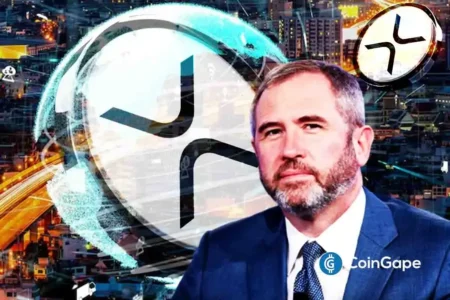
In the world of cryptocurrency, opinions vary widely, but few voices are as confident and controversial as Ran Neuner, the host of CNBC’s "Crypto Trader." Neuner has made it abundantly clear that he would not invest in XRP, regardless of its growing adoption among institutions. His unwavering stance raises questions about the long-term viability of XRP, particularly in light of recent developments within its ecosystem.
Neuner’s Consistent Critique of XRP
Neuner’s critiques of XRP are not new; they date back several years, shaped by the token’s highs and lows. Despite a notable resurgence in institutional interest—highlighted by various developments linking XRP with other blockchain networks—Neuner remains unimpressed. His latest comments followed the launch of wrapped XRP (wXRP) by Hex Trust, a move intended to allow XRP to function across diverse blockchains like Solana, Ethereum, and more. While this technological advancement seems promising, Neuner maintains that it does not address his fundamental concerns about XRP being centralized and overvalued.
The Launch of Wrapped XRP
Wrapped XRP (wXRP), released on December 12, is designed as a 1:1 asset that aims to broaden the token’s utility in the decentralized finance (DeFi) space. This launch signifies an effort to integrate XRP into lending markets and liquidity pools, ultimately enhancing its appeal. However, Neuner remains unfazed, indicating that adoption rates will not compel him to reconsider his assessment. His skepticism highlights a broader division in the crypto community regarding the value and future of XRP compared to other altcoins, including Solana.
Shifts in Community Perspective
Interestingly, opinions within the crypto community appear to be evolving, particularly among those involved with Solana. Vibhu Norby, the head of product marketing at the Solana Foundation, revealed that his perspective on XRP has changed positively due to the structured design of wrapped XRP. Such views exemplify how innovations can influence opinions, yet for Neuner, the core issues surrounding XRP remain unchanged. His long-standing aversion signals that not all industry experts are aligned on the future potential of XRP, despite advancements in its ecosystem.
Institutional Interest in XRP
Despite Neuner’s harsh criticism, XRP has been gaining traction in institutional settings. The launch of five XRP exchange-traded funds (ETFs) has spurred significant interest, with nearly a billion dollars in assets under management within a month. Significantly, these ETFs have seen consistent inflows without experiencing any net outflows, indicating robust investor interest. Additionally, the CME Group’s introduction of spot-price quotation futures for XRP aligns with a growing demand from institutional clients, further enhancing its market credibility.
Misconceptions About XRP’s Value
Investment firm Bayberry Capital also asserts that XRP is undervalued, suggesting that investors fail to recognize its potential for real-world transactions. They argue that as financial systems increasingly incorporate cryptocurrencies, XRP’s unique attributes will make it an essential player in the landscape of digital finance. This perspective contrasts sharply with Neuner’s assessment, illustrating the dichotomy in how XRP is perceived. While institutional organizations see potential, skepticism from prominent figures like Neuner remains a critical factor influencing public sentiment towards XRP.
Conclusion
Ran Neuner’s firm opposition to investing in XRP highlights the complex and often polarized views present in the cryptocurrency space. While technological advancements like wrapped XRP and increased institutional interest paint a promising picture, foundational concerns about the token’s overvaluation and centralization persist. As the crypto landscape continues to evolve, it will be fascinating to see whether these differing opinions will converge or persist, ultimately shaping the fate of XRP in the years to come.