



Boosting XRPL’s Infrastructure: David Schwartz’s Vision and Recent Achievements
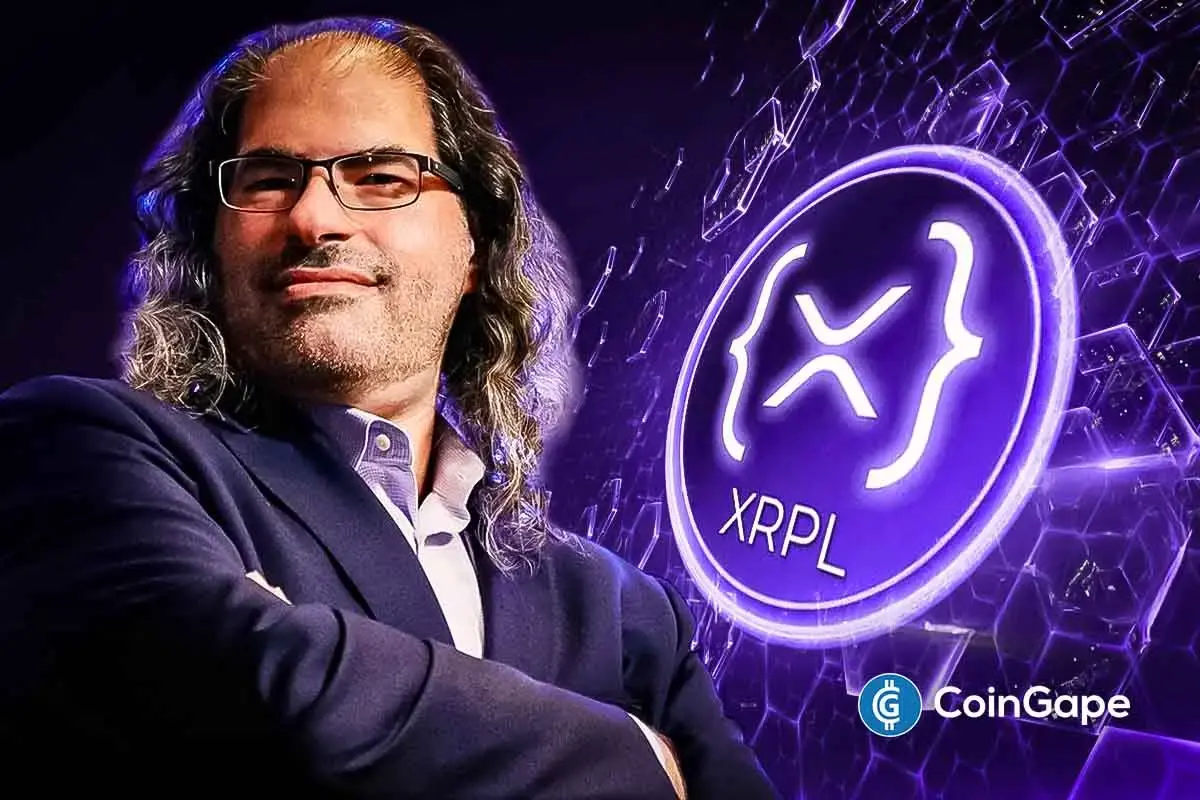
Ripple’s Chief Technology Officer, David Schwartz, has recently outlined an ambitious plan aimed at enhancing the infrastructure of the XRP Ledger (XRPL). Simultaneously, the XRPL has been experiencing a significant surge in network activity, achieving a remarkable milestone of 70 million transactions in July alone. This article delves into Schwartz’s upgrade proposal and highlights the impressive growth of the XRPL ecosystem.
David Schwartz’s Upgrade Proposal for XRPL
In a recent post on X, Schwartz revealed his intention to launch a new high-performance XRPL server. This initiative focuses on creating a dedicated hub featuring reserved slots for Unique Node List (UNL) validators and other XRPL-connected services. While Schwartz clarified that this personal endeavor doesn’t represent Ripple officially, it showcases his dedication to enhancing the XRPL infrastructure.
The proposed setup includes state-of-the-art specifications, featuring an AMD 9950X CPU, 256GB of RAM, and rapid NVMe storage housed in a New York City data center with a robust unmetered 10GB connection. Schwartz underlined that this production server is designed for reliability. However, he cautioned that the decentralized nature of the XRPL means that no single server should become a point of dependency, maintaining the integrity and decentralization ethos inherent in blockchain technology.
Monitoring Network Performance
In addition to running the new server, Schwartz intends to collect data on network performance and behavior. He has assured the community that he will avoid disruptive testing except in extraordinary circumstances, focusing instead on data collection that can inform future improvements. This initiative, according to Schwartz, demonstrates his commitment to the XRPL ecosystem rather than serving as a direct project from Ripple.
By providing a dedicated space for improved performance and thorough data analysis, Schwartz’s proposal has the potential to significantly enhance the user experience on XRPL, contributing to its overall growth.
Stellar Performance in Transactions and Wallets
Recent analytics from Dune Analytics revealed that the XRPL processed over 70 million transactions in July, bringing the total transaction count to an astonishing 3.83 billion. The daily average remains robust, hovering around 1.8 million transactions, showcasing the ledger’s popularity as a global settlement solution.
XRPL is also experiencing a surge in user engagement, with more than 1 million new users joining the platform in 2025 alone. Daily wallet creations have spiked to about 3,000, surpassing a total of 7 million accounts. Despite the fluctuations in the broader cryptocurrency market, this growth indicates a sustained interest in the XRPL ecosystem.
Growth of Automated Market Makers and Cross-Chain Activity
In addition to transaction figures, XRPL’s decentralized finance (DeFi) landscape shows significant promise. The volume of trades on the automated market maker (AMM) platform increased by 17% to reach 408 million XRP last month, illustrating an expanding user base eager to engage in decentralized trading solutions. Notably, the decentralised exchange (DEX) volume also saw an uptick, climbing by 21% to approximately 465 million XRP.
Cross-chain capabilities have further driven growth, with more than $165 million worth of assets transacted through Axelar, facilitating connections with Ethereum-compatible networks. This development highlights XRPL’s unique ability to serve as the backbone for seamless transactions across different blockchain ecosystems.
Brazilian Stablecoin Surge and EVM-Compatible Sidechain
XRPL’s advancements continue with the issuance of the Brazilian real-denominated stablecoin, BBRL, by BrazaBank, which reached over $4.2 million last month. This places it as the second-largest BRL stablecoin, only trailing behind the BRZ from Transfero Group. Such growth in stablecoin issuance indicates a robust demand for stable assets tied to the XRPL ecosystem, adding another layer of functionality.
Moreover, the newly launched Ethereum Virtual Machine (EVM)-compatible sidechain went live on June 30, rapidly garnering attention from developers. Within just a week, over 1,400 smart contracts were deployed. This integration demonstrates a growing need for the features offered by Ethereum alongside XRPL’s high-speed, low-cost transactions, presenting a powerful synergy for developers.
Conclusion: The Future of XRPL and Ripple’s Ecosystem
The recent developments surrounding the XRPL, driven by David Schwartz’s forward-thinking upgrade proposal and impressive transaction metrics, position the ledger as a formidable player in the blockchain landscape. As liquidity increases via automated market makers and cross-chain transactions, and as new user engagement continues to rise, the prospects for XRPL remain incredibly promising.
By combining innovation with a strong community focus, XRPL is well on its way to solidifying its status as a leading platform for decentralized finance. Schwartz’s personal commitment to enhancing the XRPL infrastructure is commendable and signals a bright future for Ripple and its growing ecosystem. As the blockchain landscape continues to evolve, XRPL is poised to capitalize on these advancements and attract even more developers and users in the future.