


XRP News: Dubai’s Real Estate Tokenization Project Enters Phase Two
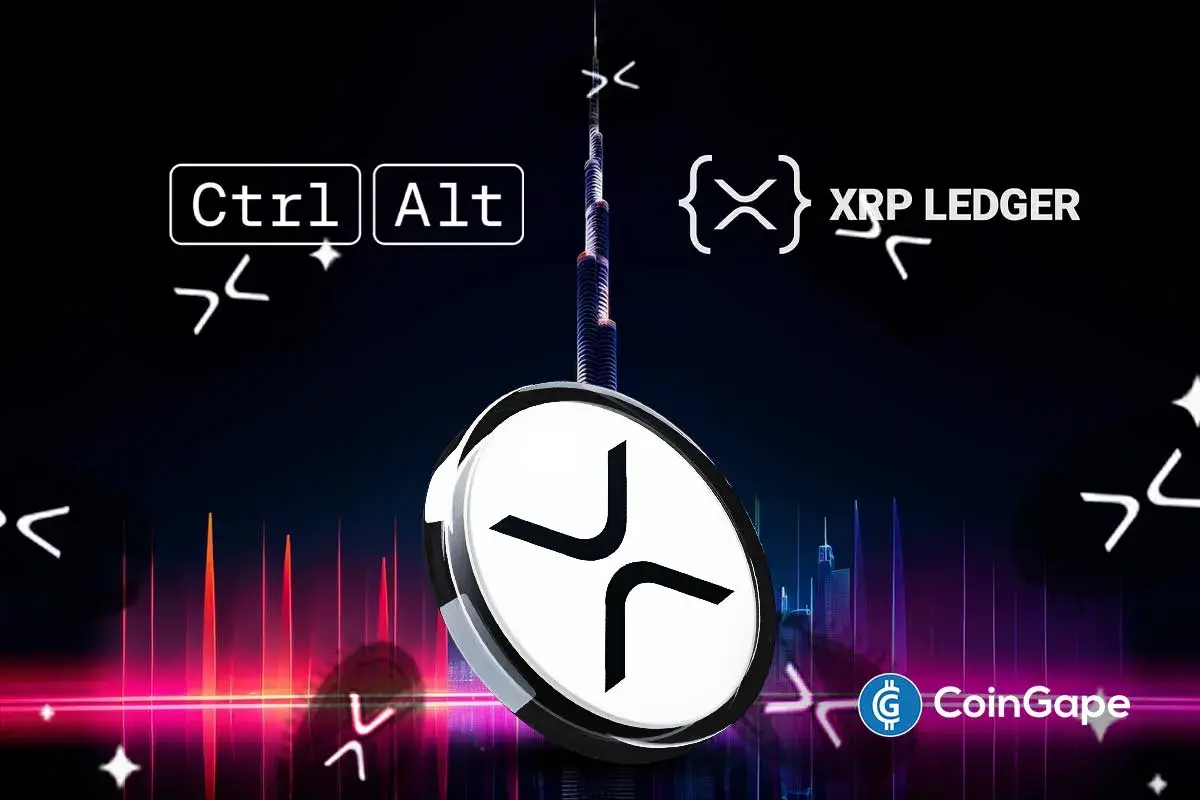
In an exciting turn of events for the crypto and real estate sectors, trading of tokenized properties in Dubai has officially launched on the XRP Ledger (XRPL). This evolution comes courtesy of the second phase of the Dubai Tokenization Project, jointly announced by Ctrl Alt and the Dubai Land Department. This development builds on the previous groundwork laid months earlier by Ripple and Ctrl Alt, as they strive to secure and integrate real estate ownership titles onto the blockchain.
Successful Launch of Phase Two
This recent announcement marks a significant milestone in Dubai’s journey toward embracing digital asset innovation. The project aims to tokenize real estate assets, enhancing their liquidity and accessibility within the Dubai market. According to the press release, approximately 7.8 million tokens generated during the pilot phase are now available for resale in a controlled secondary market. This represents a substantial opportunity for both investors and homeowners, who can now engage in on-chain transactions executed on the secure XRP Ledger.
Ripple’s institutional-level custody solution has been a cornerstone of this process, ensuring that ownership titles are stored securely and can be executed seamlessly on the XRPL. Reece Merrick, the Managing Director of Ripple in the Middle East and Africa, highlighted the importance of this launch on social media, emphasizing that controlled secondary market trading is now live. Such developments underscore the potential for broader adoption of tokenized assets in the region.
Wider Implications for Real Estate
The implications of this tokenization project extend beyond mere convenience. By creating a secondary market for tokenized properties, Dubai aims to unlock liquidity within its real estate sector. This new approach could potentially increase participation in the market, making it more accessible for investors who might have been previously deterred by high entry barriers. Moreover, as trading picks up, the transparency and efficiency associated with blockchain technology will also likely attract a new wave of investors.
As the project gains traction, it may serve as a prototype for other cities around the globe to adopt similar tokenization strategies. The ability to trade fractional ownership of properties could redefine real estate investment, leading to changes in how properties are bought, sold, and perceived as investment vehicles.
Ripple’s Growing Influence
The launch of this project adds to Ripple’s growing influence in the Middle East’s blockchain sector. Their partnership with Ctrl Alt to provide custody services positions them strategically within the region as leaders in digital asset management. Ripple’s focus on secure and efficient solutions aligns well with the UAE’s aspirations to become a global blockchain hub.
The collaborative effort between Ripple and the Dubai Land Department also serves as an endorsement for the viability of integrating cryptocurrency technologies within governmental operations. This partnership highlights how technology can facilitate modernization in traditional sectors, particularly real estate, which has historically been slow to adopt new innovations.
Dubai’s Digital Asset Landscape
The broader context of Dubai’s pivot toward digital assets features stricter regulations from the Dubai Financial Services Authority (DFSA). Recently redefined rules classify stablecoins as “fiat crypto tokens,” reinforcing the necessity for high-quality backing to reassure investors. This regulatory clarity bodes well for the ongoing tokenization efforts, ensuring that they align with legal frameworks and promote market stability.
With a substantial percentage of the UAE population already investing in cryptocurrency—over 65%, according to recent surveys—Dubai is clearly positioning itself as a leading market in the crypto realm. Additionally, the Abu Dhabi Global Market (ADGM) has recorded impressive growth, with a 67% increase in new licenses during the first quarter of 2025 compared to the previous year.
Future Prospects for Tokenization in Dubai
As the Dubai Tokenization Project progresses, its successful execution could illuminate the future of real estate in cities around the world. The seamless integration of blockchains like the XRP Ledger not only provides security but also adds transparency to transactions, which could help curb market inefficiencies that have plagued real estate for years.
Furthermore, potential expansions—such as the collaboration between Ctrl Alt and Billiton, which aims to tokenize $280 million worth of diamonds—underscore a growing appetite for tokenization across various asset classes. This diversification could enhance Dubai’s status as a leading cryptocurrency and digital asset hub.
Conclusion: The Road Ahead
In conclusion, the launch of phase two of the Dubai Tokenization Project represents a significant stepping stone for the future of real estate in the city and potentially, the world. With Ripple’s trusted security solutions and the collaboration between key stakeholders, this initiative showcases the transformative power of blockchain technology in traditional markets. As interest in tokenized assets continues to grow, Dubai’s proactive approach could serve as a blueprint for global markets, encouraging increased investment, enhanced liquidity, and a more resilient real estate landscape.
As the world watches Dubai’s developments, one thing is clear: the tokenization of real estate is just the beginning of a larger trend toward digitization that promises to reshape how we invest and interact with assets.