


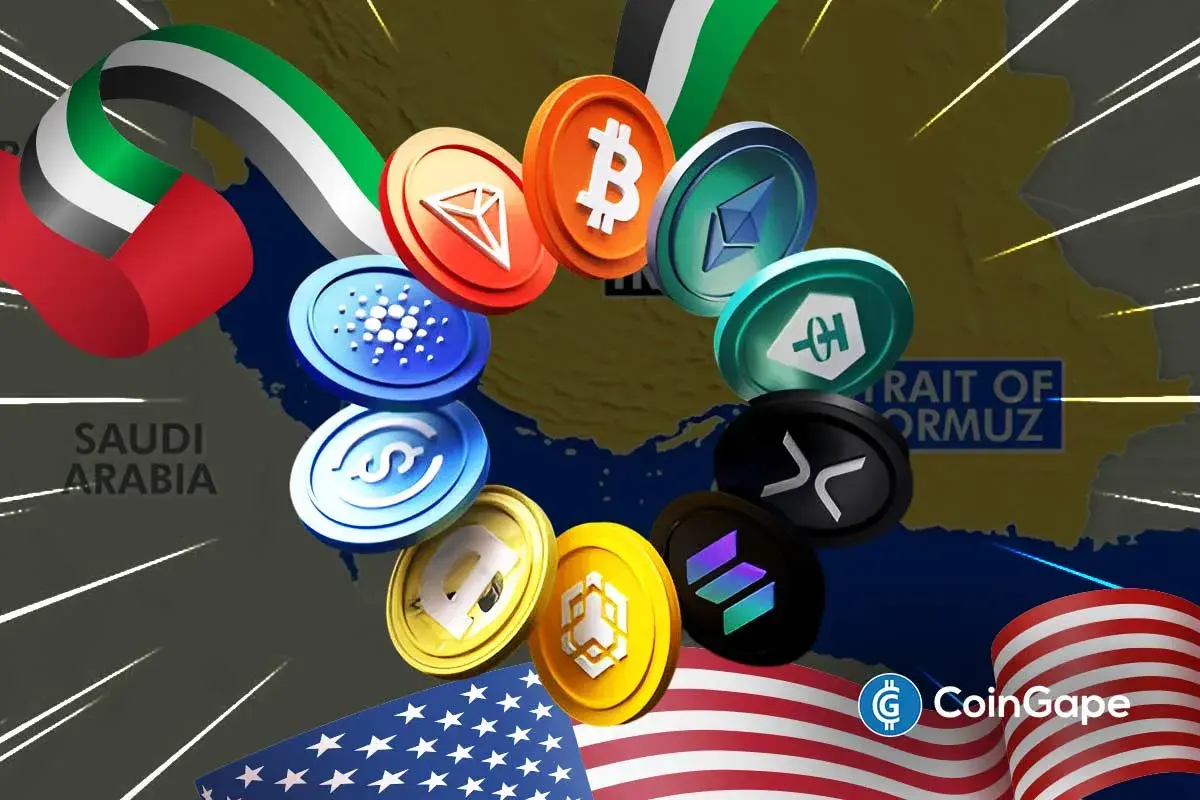

Bitcoin and Crypto Market Revive Amid Geopolitical Tensions
On Wednesday, Bitcoin and the broader cryptocurrency market experienced a significant recovery, buoyed by reports that the United Arab Emirates (UAE) is advocating for a military-led reopening of the crucial Strait of Hormuz. Amid rising concerns of oil supply disruptions due to tensions from the ongoing Iran war, the UAE’s push for a United Nations Security Council resolution could provide the necessary impetus to stabilize global markets. This shift marks a pivotal moment in Gulf politics and has immediate implications for both oil and cryptocurrency markets.
UAE’s Bold Stance on Strait of Hormuz
The UAE is taking a proactive stance by proposing military intervention to reopen the Strait of Hormuz, a vital shipping route through which a substantial portion of the world’s oil supply transits. According to reports from the Wall Street Journal, Emirati diplomats are urging the United States and its allies—both European and Asian—to form a coalition for potential military action. This marks the UAE as the first Gulf nation willing to engage directly in combat operations against Iranian aggressions, raising concerns about a possible escalation of hostilities in the region.
Experts warn that this decision may lead to intensified attacks from Iran, complicating an already volatile situation. Meanwhile, neighboring Gulf countries, including Saudi Arabia and Kuwait, have been vocal in their support of continued military efforts against Iran. Their aim is not just to secure oil routes but also to push for significant political changes in Iran’s leadership or a fundamental shift in its foreign policy, which has long been a source of tension in the region.
Trump’s Withdrawal from Iran Conflict
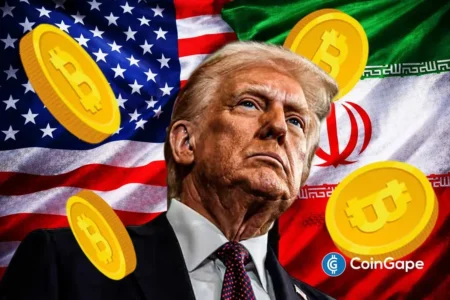
In a crucial development, President Donald Trump confirmed that U.S. troops would exit Iran within two to three weeks. This announcement signals a pivot in American foreign policy, which may have far-reaching implications for regional and global markets. Even with the Strait of Hormuz remaining partially closed, the U.S. plan for a ceasefire could provide the much-needed buffer against oil price volatility that has been exacerbated by geopolitical tensions.
As per White House Press Secretary Karoline Leavitt, Trump intends to address the nation to outline further steps regarding the Iran situation. While some view this as a path toward peace, others remain skeptical about the ceasefire’s durability. Iranian President Masoud Pezeshkian’s assertion that Iran is willing to end the conflict in exchange for security guarantees suggests potential levers for negotiation, calming the nerves of investors across various markets.
Crypto Market Surges on Optimism
The renewed hopes for a resolution to the Iran conflict directly influenced the cryptocurrency market, particularly Bitcoin, which experienced a notable increase of more than 1%. As of the most recent trading data, Bitcoin is valued at approximately $68,223, demonstrating a significant rebound after a challenging stretch of declines. This upward movement can be credited to both geopolitical de-escalation and the stabilization of oil supply expectations, which have long been intertwined with market sentiments.
Furthermore, trading volumes rose by 15% in the last 24 hours, reflecting a renewed interest from both institutional and retail investors. After grappling with five consecutive months of losses, Bitcoin’s performance this month—closing in the green—has rejuvenated market sentiment and re-ignited interest in various altcoins such as Ethereum, XRP, and Solana. The anticipation of upcoming macroeconomic data, especially the Non-Farm Payrolls report expected on Friday, adds another layer of potential volatility to the crypto space.
Broader Market Implications
The relationship between oil prices and cryptocurrencies cannot be overstated. A closure of the Strait of Hormuz previously triggered a surge in Brent oil prices by over 60%, leading to inflation concerns and volatility across both stock and crypto markets. As tensions ease, reduced fears of sustained oil supply disruptions create a more favorable environment for both traditional and digital assets.
Traders and analysts alike are closely monitoring the evolving geopolitical landscape, particularly in the Gulf region, as it has direct implications for energy prices and market stability. With the UAE’s aggressive diplomacy alongside U.S. military withdrawal, there is a cautious optimism that could lead to a longer-term recovery trajectory for assets like Bitcoin and Ethereum.
Conclusion: Navigating Uncertain Waters
The current interplay between geopolitical events and cryptocurrency markets demonstrates the fragile relationship between macroeconomic factors and digital assets. As the UAE positions itself as a key player in Middle Eastern geopolitics, investors will be keeping a close eye on the outcomes of both military maneuvers and diplomatic negotiations.
The potential for reduced conflict and stabilized oil supply could usher in a new era of investment opportunities in the crypto space. For now, Bitcoin’s impressive rebound is a reminder of how quickly sentiment can change in response to geopolitical developments. Stakeholders in both the energy and cryptocurrency markets must remain vigilant and adaptable as they navigate this complex landscape, waiting to see how these events unfold in the coming weeks.
With the crypto market on an upswing and expectations of easing tensions in Iran, now is a critical time for investors to reassess their strategies against the backdrop of global economic trends.