



Circle Stock Rises After Visa Launches USDC Settlement: Key Highlights & Implications
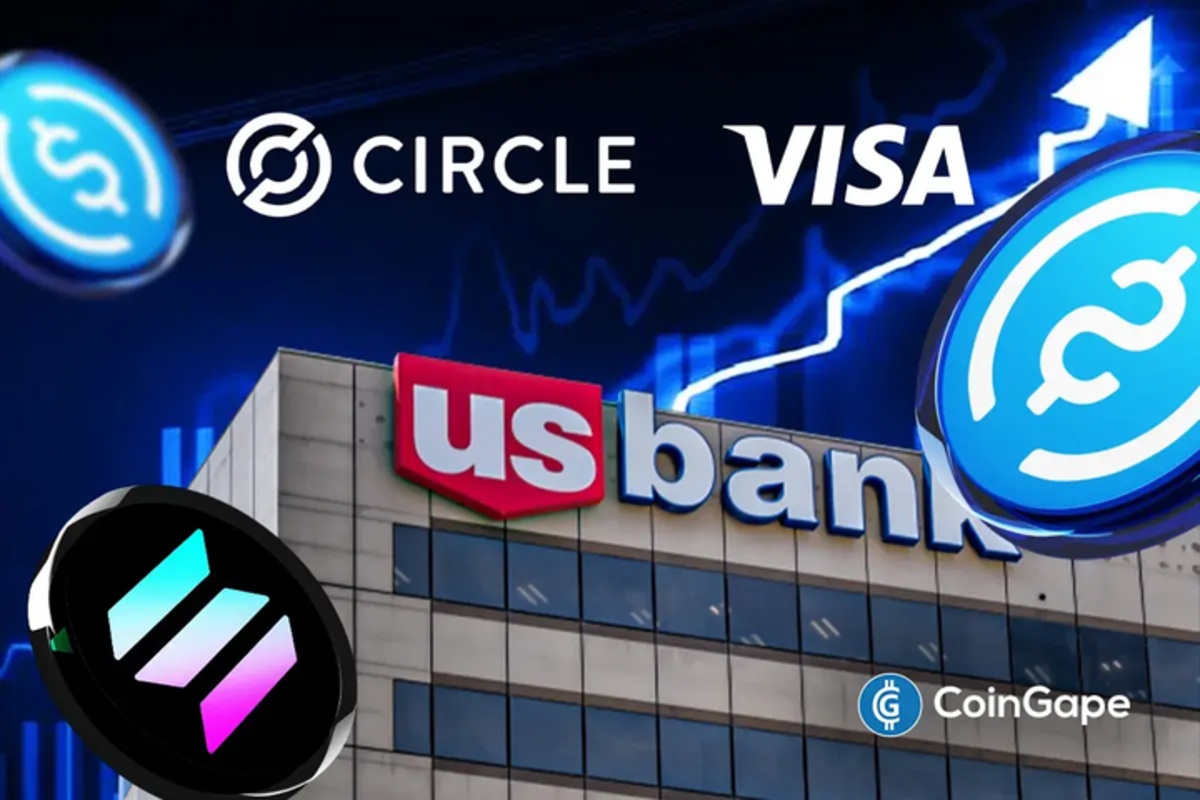
On Tuesday, Circle’s stock experienced a notable surge, jumping approximately 10.07% to around $83.04, following Visa’s announcement regarding the launch of a USDC settlement system in the United States. This development has sent positive ripples throughout the market, affirming clearer revenue potential linked to stablecoin settlement activities. The integration of Circle’s stablecoin into Visa’s payment network enhances visibility and underscores the growing relevance of stablecoins within regulated financial infrastructures.
Visa’s Rollout of USDC Settlement: A Game Changer for Circle
Visa’s announcement marks a significant step forward in payment modernization. The company confirmed that U.S.-based issuer and acquirer partners can now facilitate transactions using Circle’s USDC stablecoin, which is both dollar-backed and fully reserved. The settlement process will occur directly within Visa’s established network, signifying robust growth in the adoption of stablecoins for everyday transactions. As major players in the financial landscape begin utilizing these digital assets, Circle’s stock benefits from heightened investor confidence.
Initial Banking Partnerships Boost Adoption
Among the first adopters of this new settlement model are Cross River Bank and Lead Bank, both of which have started using the USDC on the Solana blockchain for transactions with Visa. Visa plans to onboard additional banking partners in waves, with broader accessibility expected to develop through 2026. This progressive model not only expedites the transaction process with seven-day settlement periods but also enhances liquidity management capabilities for participating institutions, aligning traditional banking practices with modern blockchain technologies.
Understanding the Strategic Vision Behind Settlement Modernization
In a statement from Visa, executives indicated that the expansion of USDC settlements is largely driven by robust demand from their banking partners. Rubail Birwadker, Visa’s Global Head of Growth Products and Strategic Partnerships, emphasized that banks are keen to utilize stablecoins in live transactions, reflecting a committed shift towards modernization rather than an experimental endeavor. This keen focus on settlement innovations signals a transformative shift in how financial transactions might be conducted moving forward.
Strengthening Infrastructure: Circle and Visa’s Technical Relationship
Beyond the USDC settlement rollout, Visa has fortified its technical partnership with Circle by serving as a design collaborator for Circle’s Layer 1 blockchain, known as Arc, which is currently in public testnet. Once officially launched, Visa aims to implement USDC settlements through this blockchain and operate a validator node. Nikhil Chandhok, Circle’s Chief Product and Technology Officer, noted that the integration is pivotal for modernizing treasury workflows across financial institutions, enhancing programmability, and minimizing operational friction.
Regulatory Approval Boosts Circle’s Ambitions
In a complementary development, the Office of the Comptroller of the Currency (OCC) granted conditional approval for Circle to establish the First National Digital Currency Bank, expected to oversee the management of the USDC reserve upon full authorization. This regulatory endorsement not only reinforces Circle’s business model but also enhances its compliance stance under the GENIUS Act, further solidifying its position in the digital currency ecosystem. As Circle’s reach and influence expand through these structural enhancements, the associated stock rise illustrates investor optimism.
The Future of Circle and Stablecoins in Payments
As the adoption of stablecoins like USDC gains traction, driven by partnerships with industry leaders such as Visa, Circle stands poised for robust growth. The continuously evolving landscape of digital transactions offers promising opportunities both for Circle and its investors. With increased integration into the traditional financial sector and clear regulatory pathways, the future looks bright for Circle, its stock, and the broader acceptance of stablecoins in mainstream finance. Investors are now more than ever witnessing a paradigm shift that may redefine financial transactions, promising a landscape where stablecoins become a vital asset in payment systems.
In summary, the alignment of Circle’s offerings with Visa’s extensive payment network symbolizes not just an increase in market valuation, but also a compelling narrative of innovation in the financial sector, ultimately paving the way for a new era of digital currency utilization.